

Authentic Cajun Dining Experience: Beyond the Tourist Traps
bayou wehoShare
What Makes Cajun Dining Truly Authentic?
When you're searching for a genuine Cajun dining experience, you're not just looking for blackened fish and jambalaya on a menu. Authentic Cajun cuisine emerges from Louisiana's cultural melting pot, where French Acadian settlers, African traditions, and Indigenous influences converged to create something entirely unique. True Cajun cooking relies on the holy trinity of celery, onions, and bell peppers, with roux serving as the foundational base for countless dishes.
The distinction between authentic and tourist-trap Cajun food lies in the preparation methods and ingredient sourcing. Genuine establishments understand that okra isn't just a vegetable—it's a natural thickening agent that transforms gumbo into liquid gold. They know that andouille sausage should have a proper snap and smokiness that mass-produced versions simply cannot replicate.
The Soul Behind the Spice
Authentic Cajun dining transcends mere sustenance. It's about joie de vivre—the joy of living that permeates every aspect of Louisiana culture. When you bite into properly prepared étouffée, you're tasting generations of culinary wisdom passed down through families who understood that food is love made edible.
Avoiding the Tourist Trap Pitfalls
Tourist-focused establishments often bastardize Cajun cuisine by over-relying on heat without flavor complexity. They might serve "Cajun" dishes that are simply doused in paprika and cayenne, missing the nuanced layering that defines authentic preparations. Real Cajun food builds heat gradually while incorporating depth through careful roux development and proper seasoning balance.
"If your gumbo doesn't have a dark roux that took at least 45 minutes to develop, you're eating a shortcut, not tradition."
Genuine Cajun establishments also understand portion philosophy. These aren't dainty, Instagram-worthy plates. Cajun culture celebrates abundance and community sharing, reflecting the historic necessity of feeding large families with hearty, satisfying meals.
Red Flags to Watch For
Several warning signs indicate you've stumbled into tourist territory rather than authentic Cajun dining:
- Menu descriptions using terms like "Cajun-inspired" or "New Orleans-style" instead of traditional dish names
- Excessive use of artificial coloring to achieve that "Louisiana look"
- Absence of traditional sides like dirty rice or red beans and rice
- Servers who can't explain the difference between Creole and Cajun preparations
Finding Community in Cajun Culture
The most authentic Cajun dining experiences prioritize community connection over individual consumption. Louisiana's food culture emerged from collective experiences—crawfish boils, church suppers, and family gatherings where everyone contributed to the meal preparation.
This communal spirit translates beautifully into modern queer spaces, where chosen family traditions mirror the close-knit bonds of traditional Cajun communities. Both cultures understand that sharing food creates deeper connections than simply eating together.
The Art of the Crawfish Boil
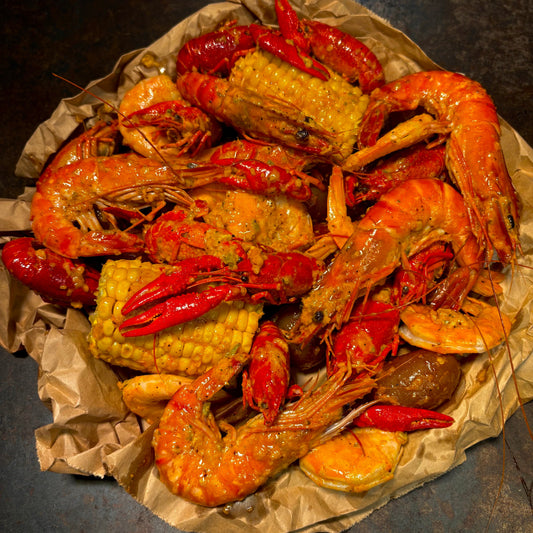
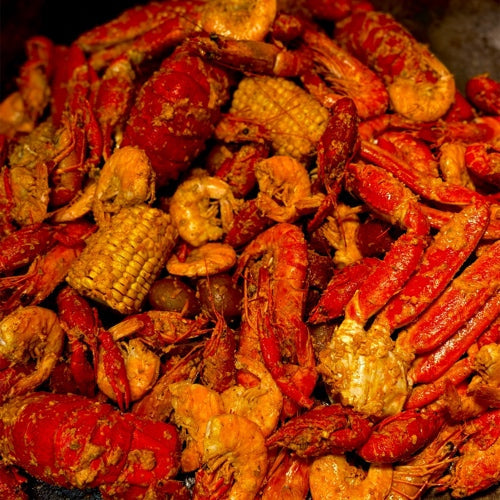
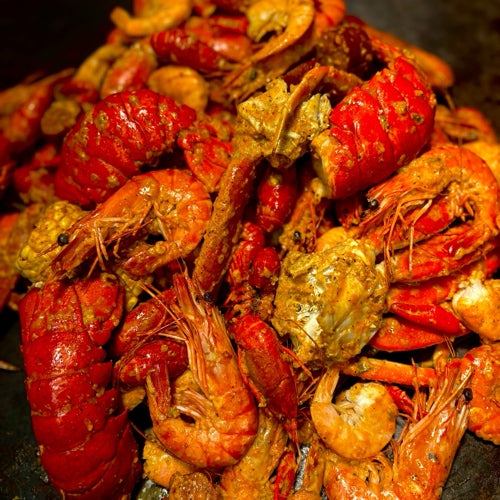
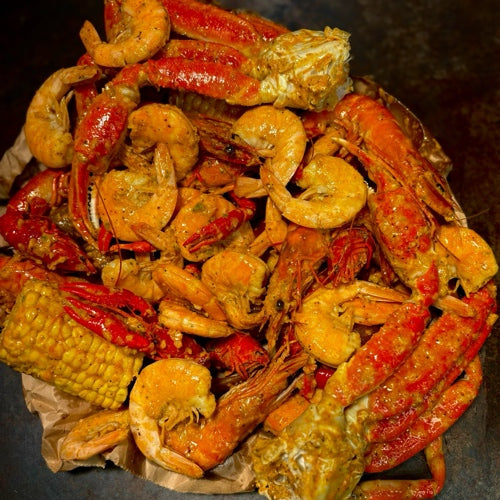
Nothing exemplifies authentic Cajun community dining like a proper crawfish boil. These aren't just meals—they're social rituals requiring patience, conversation, and shared messiness. The seasoning blend should penetrate the shells, creating layers of flavor that unfold as you peel each mudburg.
| Authentic Element | Tourist Version |
|---|---|
| Live crawfish purged properly | Pre-cooked, frozen options |
| Community-style newspaper tables | Individual plated presentations |
| Proper spice penetration timing | Surface-level seasoning |
Why Authenticity Matters in Queer Spaces
LGBTQIA+ diners seeking authentic Cajun experiences often gravitate toward establishments that understand both cultural authenticity and community inclusivity. Louisiana's history includes vibrant queer communities, particularly in New Orleans, where acceptance and celebration of diversity have long roots.
When queer-owned establishments serve authentic Cajun fare, they're honoring both culinary traditions and creating spaces where marginalized communities can experience comfort without compromise. This intersection of authentic food culture and inclusive community creates dining experiences that nourish both body and soul.