

Why Your Clothing Choices Can Fund Trans Healthcare Access
bayou wehoWhy Your Clothing Choices Can Fund Trans Healthcare Access
Why this matters now
Trans people face persistent gaps in access to affirming, affordable healthcare—a crisis that deepens with each legislative session and insurance denial. The landscape is riddled with obstacles: provider scarcity in rural enclaves, byzantine administrative labyrinths, and outright exclusions buried in policy fine print. Yet everyday purchases can channel funds directly to care through mission-driven apparel, transforming the quotidian act of updating your wardrobe into a lifeline for those navigating systemic neglect.
When you slip on a tee or hoodie aligned with trans healthcare fundraising merchandise campaigns, you're not simply making a sartorial statement. You're participating in a distributed funding ecosystem that routes real dollars toward hormone therapy, surgical consultations, mental health services, and legal name changes. This confluence of commerce and compassion shifts the paradigm from passive allyship to active, measurable solidarity.
What "trans healthcare fundraising merchandise" means
At its core, trans healthcare fundraising merchandise refers to purpose-made clothing and accessories that allocate a clear portion of proceeds to trans healthcare support. These aren't token gestures slapped on a Pride-month clearance rack. They're thoughtfully engineered collaborations, limited drops, and ongoing collections benefitting nonprofits or mutual aid funds with transparent governance and community oversight.
This category spans graphic tees emblazoned with rally cries, enamel pins crafted by trans artists, and capsule collections where every sale triggers a quantified donation. The hallmark is clarity: you know exactly which organization receives support, the dollar amount or percentage allocated, and the timeline for disbursement.
Introducing the "Protect the Dolls" Shirt: Style That Saves
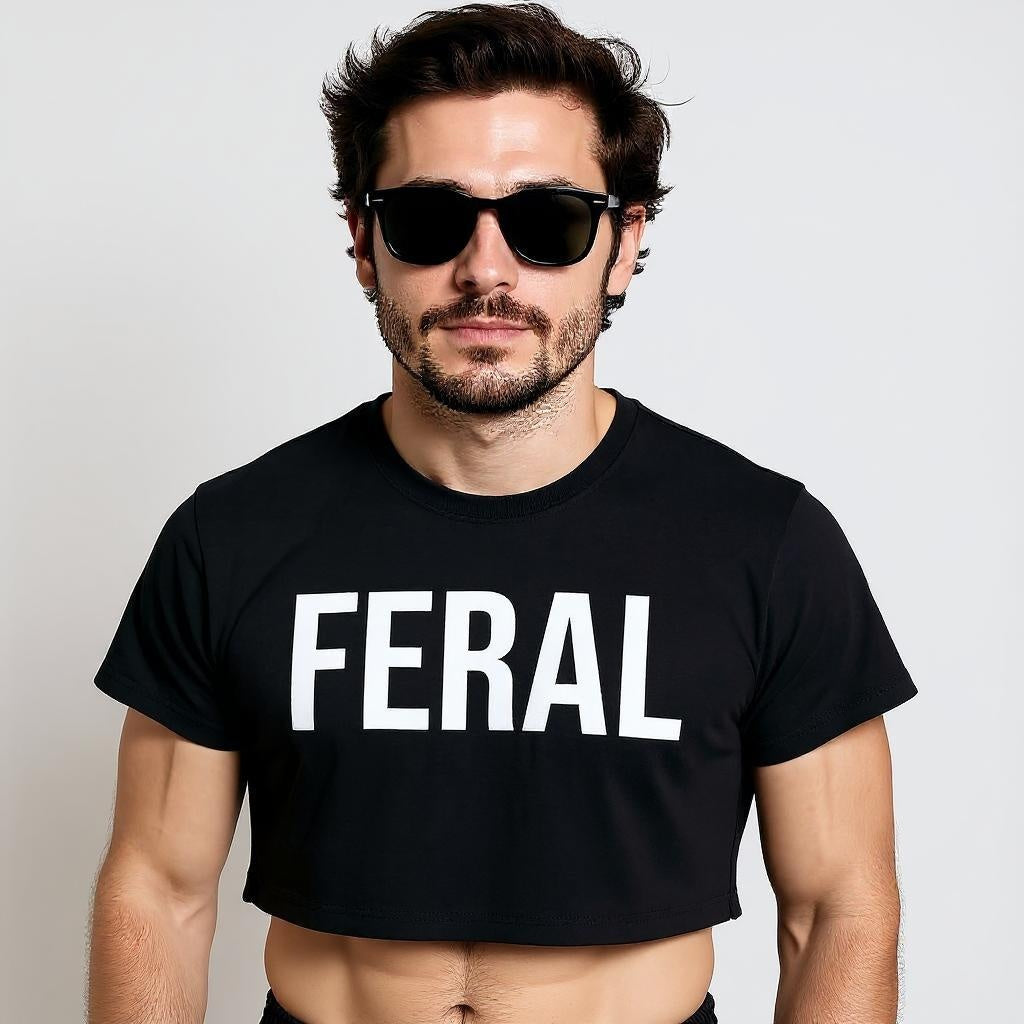
One standout example of trans healthcare fundraising merchandise in action is The Bayou WeHo's "Protect the Dolls" Shirt. This isn't just another slogan tee—it's a wearable manifesto designed to spark conversation and channel resources toward the most vulnerable members of our queer family. With bold typography and an unapologetically queer aesthetic, this shirt serves as both armor and invitation, perfect for crawfish boils, drag nights, or your next protest march down Santa Monica Boulevard.
Every purchase directly supports initiatives that bridge the healthcare access chasm, turning your closet into a catalyst for change. Whether you're grabbing BOGO cocktails at happy hour or dancing under neon lights, you're wearing proof that style and solidarity can coexist. The "Protect the Dolls" Shirt embodies the ethos of queer-owned, community-driven action—flavor, flair, and funding rolled into one essential staple.
By investing in pieces like this, you're ensuring that trans folks can access the affirming care they deserve while simultaneously building a wardrobe that reflects your values. It's fashion with a backbone, designed for anyone tired of performative allyship and ready to put dollars where their heart is.
The Urgency: Understanding Access Gaps in Trans Healthcare
Where the system falls short
The healthcare apparatus routinely fails trans individuals through insurance exclusions, administrative hurdles, provider shortages, and travel barriers that compound into an impenetrable fortress. Policies deny coverage for "cosmetic" procedures that are, in reality, medically necessary and psychologically vital. Rural trans communities face deserts devoid of knowledgeable clinicians, forcing multi-state pilgrimages for basic endocrinology appointments. Low-income, BIPOC, and undocumented trans people shoulder disproportionate financial strain, navigating a gauntlet where systemic racism, economic precarity, and transphobia intersect with brutal efficiency.
What donations typically fund
Contributions earmarked for trans healthcare address a constellation of needs: hormone therapy and lab monitoring, gender-affirming surgeries and post-operative aftercare, mental health support from trauma-informed therapists, travel and lodging for distant clinics, and legal assistance for name or gender marker changes. Each line item represents dignity restored, dysphoria eased, and futures reclaimed.
Why micro-funding via apparel helps
Apparel-based micro-funding transforms routine purchases into recurring support streams, creating sustainable revenue that outlasts one-off charity drives. It raises visibility, too—each worn piece is a roving billboard normalizing giving through daily life. When your friend asks about your new shirt and you explain its mission, you've just expanded the donor base organically.
How Apparel Becomes a Funding Engine
Revenue models that work
Effective campaigns deploy fixed-per-item donations—say, ten dollars per shirt—so buyers grasp immediate impact. Alternatively, percentage-of-proceeds models with published margins offer scalability while maintaining transparency. Limited editions and timed drops inject urgency, driving momentum and sell-through rates that benefit both brand and beneficiary.
Partnerships that increase trust
Formal agreements with vetted nonprofits or community-led mutual aid funds anchor credibility. Direct-to-beneficiary campaigns, executed with explicit consent and transparent documentation, eliminate middlemen and demonstrate respect for those receiving support. Public MOUs and third-party audits further cement legitimacy.
Beyond the cart: events and bundles
Pop-ups at queer venues—imagine a merch table beside the dance floor at your favorite dive bar—create tactile engagement. Auctions and on-demand printing reduce waste while boosting yield. Bundles that pair apparel with digital resources, zines, or donation add-ons multiply touchpoints and deepen relationships between buyers and causes.
How to Evaluate Trans Healthcare Fundraising Merchandise
Transparency checklist
Before you swipe your card, scrutinize who benefits—named organizations or individuals—and why they were chosen. Vet their track record, community endorsements, and alignment with trans-led governance. Demand to see the exact donation structure: is it a percentage of sale or a fixed dollar amount per item? Understand the campaign duration and whether it's evergreen or time-bound. Equally crucial are fee disclosures—processing costs, platform cuts, shipping expenses—and clarity on who absorbs them so the donation isn't inadvertently cannibalized.
Impact tracking and proof
Legitimate campaigns publish public updates detailing totals raised, disbursement dates, and receipts or confirmation screenshots from beneficiary organizations. Post-campaign reporting should live in an accessible permalink, not buried in ephemeral Instagram stories. This documentation transforms vague promises into verifiable action, allowing you to trace your purchase's journey from checkout to check delivery.
Pricing that makes sense
Realistic costs for materials, labor, and fulfillment are non-negotiable—sweatshop pricing erodes the ethical foundation of any campaign. However, pricing must balance sustainability without eroding donations into oblivion. Clear margin math—production cost plus fulfillment plus donation equals retail price—empowers buyers to understand how their money moves and ensures brands aren't profiteering under the guise of philanthropy.
Responsible Buying Principles
Ethical production and inclusive design
Size-inclusive ranges, gender-expansive fits, and accessible fabric choices signal that a brand comprehends the diversity within trans and queer communities. Fair labor practices—union shops or audited factories—and eco-conscious materials when feasible demonstrate values alignment beyond the donation itself. A campaign that excludes plus sizes or ignores sensory-friendly textiles undermines its own mission.
Avoiding pinkwashing
Favor campaigns led by or co-created with trans communities, not performative initiatives dreamed up in corporate boardrooms during June. Seek year-round commitments beyond Pride-month spikes; authentic solidarity doesn't evaporate on July first. Investigate whether the brand's policies, hiring practices, and public stances reflect the values their merchandise purports to champion.
Longevity over novelty
Choose high-quality staples you'll wear often to sustain both message and support. A durable hoodie worn a hundred times amplifies visibility far beyond a flimsy tee discarded after one wash. Repair, upcycle, and swap to extend impact and reduce waste—circular fashion principles harmonize beautifully with social justice funding models.
Maximize Your Personal Impact
Stack your support
Use employer donation matching when proceeds route to eligible nonprofits, effectively doubling your contribution without additional outlay. Check local tax rules; some purchases may include a deductible donation portion if structured correctly and receipted appropriately. These financial mechanisms transform a single purchase into compounded aid.
Amplify beyond the purchase
Share impact updates on social platforms, tag partner organizations, and articulate why the cause matters in your own words—personal narratives resonate more powerfully than brand copy. Gift items strategically to friends, coworkers, or family members who'll spark conversations and widen reach. Each new wearer becomes an ambassador, exponentially expanding the campaign's footprint.
Build a giving-oriented wardrobe
Plan a capsule collection anchored by trans healthcare fundraising merchandise from trusted campaigns, curating pieces that work across seasons and occasions. Rotate seasonal drops to create recurring contributions—spring tees, winter beanies, year-round accessories—so your support flows continuously rather than spiking once and fading.
For Creators and Brands: Launching Ethical Campaigns
Set goals and margins with care
Define a target amount, timeline, and minimum viable donation per item before launching. Model multiple scenarios—conservative sell-through rates, potential returns, shipping cost fluctuations—to protect the beneficiary share even if reality falls short of projections. This actuarial rigor prevents the embarrassment of overpromising and the ethical breach of under-delivering.
Design with community, not about it
Co-create with trans artists, compensating them fairly at market rates and crediting them visibly on product pages, tags, and promotional materials. Deploy respectful language and symbolism vetted by community advisors who can flag appropriative imagery or tone-deaf messaging before it reaches production. Authentic collaboration yields designs that resonate because they emerge from lived experience rather than stereotype.
Operations, legality, and reporting
Draft written MOUs with beneficiaries outlining donation structure, payment schedules, and reporting obligations. Comply with commercial co-venture laws where applicable—some jurisdictions mandate specific disclosures and registration for charitable sales promotions. Implement real-time dashboards or periodic reports accessible to buyers, cementing trust through radical transparency and accountability.
Real-World Snapshots and Common Pitfalls
Sample campaign math
Consider a thirty-five-dollar tee: subtract twelve dollars for cost of goods sold and five dollars for fulfillment, leaving an eighteen-dollar margin. Pledge ten dollars as donation; retain eight dollars for operational overhead, platform fees, and sustainable business practices. This conservative forecasting prevents overpromising under variable costs like expedited shipping during high-demand periods or material price volatility.
"Transparency isn't optional—it's the bedrock of ethical fundraising. Show the math, name the partners, and prove the impact. Anything less is performative noise."
Red flags to avoid
Vague beneficiaries—"a portion goes to LGBTQ+ causes"—signal either ignorance or intentional obfuscation. Absence of percent-per-item specifics, missing post-campaign receipts, or rainbow-only drops with no year-round support reveal campaigns driven by profit theater rather than genuine solidarity. Brands that refuse to disclose fee structures or partner agreements merit immediate skepticism.
What success looks like
Clear funds delivered on schedule, beneficiary testimonials shared with explicit consent, and sustained collaborations that evolve beyond single campaigns. Success is measured not just in dollars raised but in relationships built, systems challenged, and lives tangibly improved through accessible, affirming care.
FAQs
Is buying merch better than donating cash?
Direct cash often maximizes net impact by eliminating production and fulfillment costs. However, merchandise can add invaluable awareness and tap buyers who wouldn't donate otherwise—people who budget for clothing but not charity, or who need tangible goods to justify spending. Both avenues matter; choose based on your circumstances and amplification goals.
How can I verify a campaign's legitimacy?
Look for named partner organizations with searchable online presences, written agreements or partnership announcements, transparent math breaking down costs and donations, and public proof of disbursement such as social media posts from beneficiaries or receipts uploaded to campaign pages. Cross-reference claims with beneficiary websites and community forums.
What if I can't afford new clothing?
Reshare campaigns across your networks, volunteer time for organizations doing trans healthcare work, donate directly in small recurring amounts, or thrift and DIY your own pieces while linking to active fundraisers in your posts. Impact isn't gated by purchasing power—advocacy, visibility, and mutual aid take countless forms.
Can purchases be tax-deductible?
Rules vary by location and structure. Only the donation portion routed to eligible nonprofits may qualify for deduction, and only if the campaign provides compliant receipts separating fair market value from charitable contribution. Keep all documentation and confirm eligibility with local tax authorities or a qualified accountant.
Does secondhand or DIY count toward impact?
Absolutely—resale proceeds and DIY drops can be channeled to trans healthcare funds with the same transparent reporting standards. Host clothing swaps where entry fees fund mutual aid, or sell upcycled pieces with clear donation pledges. Grassroots ingenuity often outpaces corporate campaigns in authenticity and community trust.
How do returns affect donations?
Ethical campaigns disclose upfront whether refunds adjust the total donation pool and how damages or manufacturing defects are handled. Best practices reserve donation funds only after the return window closes or build return contingencies into initial margin calculations to prevent beneficiaries from shouldering risk.
Takeaway: Your Closet Can Power Care
Choosing well, giving well
Prioritize transparent, community-led trans healthcare fundraising merchandise that proves impact through rigorous documentation and authentic partnerships. Turn everyday style choices into sustained access to lifesaving care—hormone consultations, surgical recoveries, mental health sessions, legal victories. Your wardrobe becomes infrastructure, stitching together individual purchases into a collective safety net that catches those the system abandons. Wear your values. Fund the future. Protect the dolls.