

Protect The Dolls Movement: History Behind The Viral Phrase
bayou wehoProtect the dolls meaning & origin: the quick answer
Plain‑language definition
"Protect the dolls" is a rallying cry that emerged from queer and ballroom communities, urging collective action to safeguard, respect, and center the safety and well‑being of those who identify as "the dolls." It's more than a catchy phrase—it functions as both solidarity vernacular and a social alarm signaling real‑world harms. When someone invokes this phrase, they're not just expressing admiration; they're acknowledging systemic vulnerabilities and calling for tangible, community‑driven defense.
Think of it as shorthand for harm reduction, mutual care, and bystander accountability. In a landscape where violence against marginalized femmes—especially trans women of color—remains disproportionately high, these three words condense a manifesto of protection into a memorable rallying point.
Who are "the dolls"?
"The dolls" is a term of self‑reference and community endearment most commonly used among trans women and femmes, particularly those rooted in queer and ballroom culture. It evokes glamour, kinship, and shared experience, transforming hyper‑femininity from a site of scrutiny into a badge of pride and resilience.
Contextually, usage can expand to include femme‑presenting people and close in‑group communities. Yet self‑identification and consent remain paramount—outsiders should never impose the label. The power of "the dolls" lies in its community ownership, a deliberate reclamation that centers agency over external categorization.
Wear Your Values: The Protect The Dolls Shirt
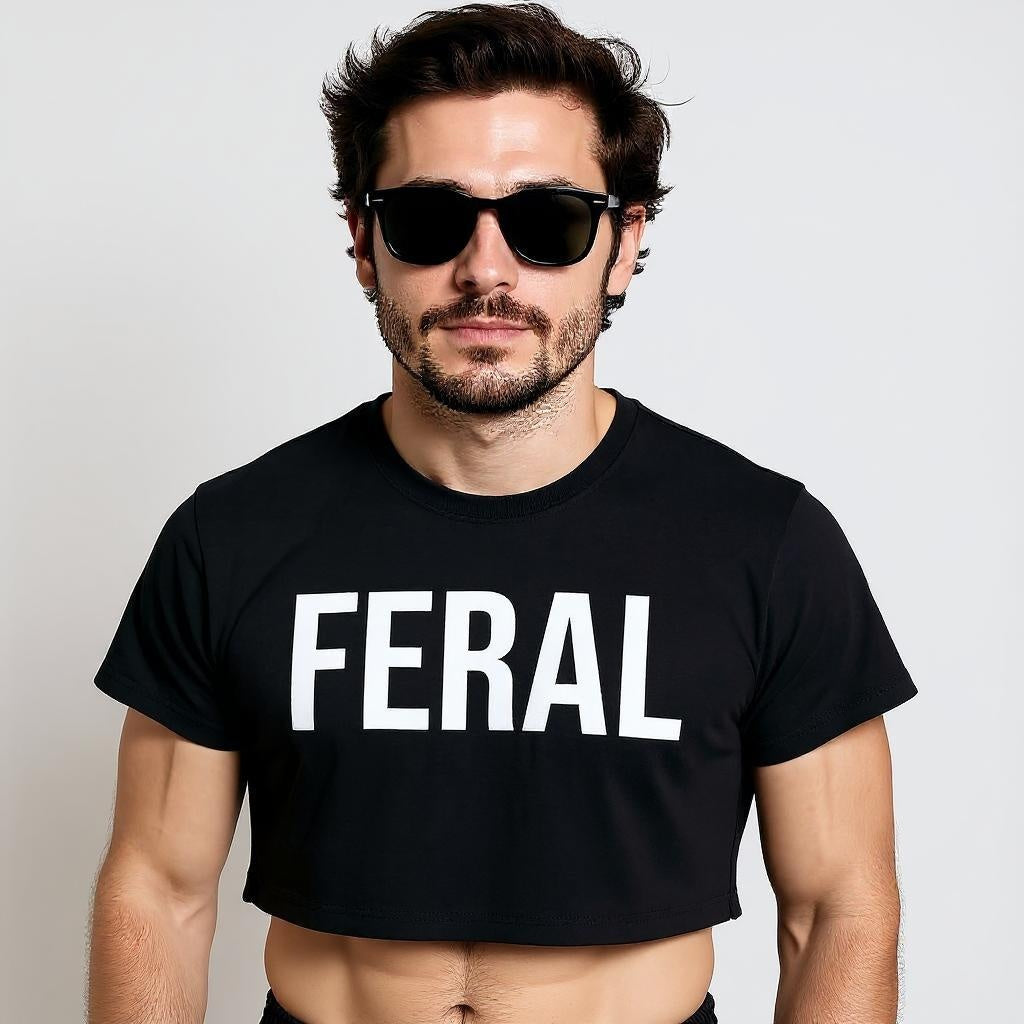
Understanding the history is one thing; amplifying it through everyday action is another. That's where fashion meets activism. The Protect The Dolls Shirt from The Bayou WeHo transforms this viral phrase into wearable solidarity, letting you carry community care beyond the digital sphere and into West Hollywood streets, drag nights, and crawfish boils.
Designed for anyone who values queer‑owned, community‑driven spaces, this tee is more than merch—it's a conversation starter that signals you understand the phrase's roots and back its mission with visibility. Whether you're catching happy hour deals or dancing through themed nights, wearing the message helps normalize trans‑inclusive language and sparks meaningful dialogue about safety, respect, and belonging.
Every purchase supports The Bayou WeHo's mission to offer bold, unfiltered queer vibes and fund community programming that centers LGBTQIA+ voices. When your wardrobe does the talking, make sure it says something that matters.
Where "protect the dolls" comes from: roots and timeline
Ballroom and LGBTQ+ vernacular: "doll" as identity
Long before TikTok captions and Instagram carousels, "doll" circulated as queer, trans, and ballroom slang—a linguistic gem signaling femininity, glamour, kinship, and shared struggle. In ballroom houses and underground gatherings, "doll" wasn't diminutive; it was dignified. It acknowledged the labor of presentation, the artistry of gender performance, and the camaraderie forged in spaces that celebrated what mainstream society often vilified.
In‑group language like this builds safety and belonging. When you call someone a doll within these communities, you're affirming their authenticity and signaling mutual respect. That foundation of care set the stage for protective phrases to emerge organically, rooted in real need rather than performative trend‑chasing.
Early internet spread: Tumblr, Twitter, and house/stan culture
As queer communities migrated online, so did their vernacular. Tumblr threads, Twitter captions, and stan culture comment sections became incubators for "protect the dolls," reinforcing mutual care in digital formats. Users tagged photos of trans icons, femme creators, and ballroom legends with calls to defend, uplift, and resource them.
This cross‑pollination between ballroom language, creator communities, and fandom spaces allowed the phrase to travel beyond its geographic origins, picking up new adherents while retaining its core ethic of collective defense.
From niche to viral: TikTok captions and soundbites (2020–2024)
Short‑form video platforms supercharged the phrase's visibility. TikTok's algorithm rewards punchy, repeatable slogans, and "protect the dolls" proved irresistible: three words, infinite remixability, and urgent emotional resonance. Trending audio clips, duet chains, and comment‑section solidarity turned the phrase into a cultural touchstone.
Spikes in visibility often correlated with broader conversations on safety, anti‑trans legislation, and allyship fatigue. As policy debates intensified offline, the phrase became shorthand for bystander responsibility and harm‑reduction ethics online.
What the phrase communicates today
Safety and solidarity for trans women (especially Black & Latina)
At its core, "protect the dolls" centers trans women—particularly Black and Latina trans women—who face disproportionate rates of harassment, housing instability, employment discrimination, and fatal violence. Advocacy organizations document these disparities year after year, yet mainstream discourse often renders these statistics abstract. The phrase cuts through that abstraction, transforming data into a directive.
It signals concrete support, not just aesthetic admiration. When someone says "protect the dolls," they're acknowledging that glamour and visibility carry risk, and that community defense must be proactive, not reactive. This is mutual aid vernacular: a call to show up, redistribute resources, and intervene when harm unfolds.
Femme solidarity and community care across identities
While rooted in trans women's experiences, the phrase can encompass broader femme solidarity—provided origins are respected and consent guides usage. Femme‑presenting people across the gender spectrum face policing, objectification, and violence tied to their presentation. "Protect the dolls" can function as an umbrella ethic of care, linking diverse experiences under a shared commitment to safety.
Mutual aid, boundary‑setting, and community defense become everyday practices. Whether it's walking someone to their car after a late‑night drag show, amplifying crowdfunding campaigns, or challenging transphobic rhetoric in group chats, the phrase invites action across identity lines while centering those most at risk.
Self‑identification and reclamation of "doll"
Reclamation lies at the heart of "doll" as identity. Historically, terms tied to hyper‑femininity have been weaponized to belittle, objectify, or dismiss. By claiming "doll" as a self‑chosen label, trans women and femmes transform it into a badge of agency, pride, and resistance.
Yet reclamation only works when communities control the narrative. Outsiders should follow the community's lead, using the term when individuals self‑apply it and avoiding imposition. Language is a gift, not a free‑for‑all—respect the giver's boundaries.
Why it resonates now
Sociopolitical context and harm reduction
The phrase's meteoric rise maps onto escalating public debates over gender‑affirming healthcare, bathroom access, and the right to exist in public space without harassment. Legislative attacks on trans rights have proliferated, and "protect the dolls" offers shorthand for harm‑reduction ethics in an increasingly hostile climate.
It positions bystanders as potential co‑defenders, shifting responsibility from individuals navigating danger to the collective that can mitigate it. In this context, three words become a framework for policy advocacy, community organizing, and everyday intervention.
Platform dynamics and meme‑ability
Algorithmic feeds reward brevity, emotionality, and repeatability. "Protect the dolls" checks every box: it's portable, adaptable, and primed for virality. Users can attach it to selfies, news clips, fundraiser links, or outfit videos, each iteration reinforcing the message across subcultures.
Yet this rapid spread carries risk. Without context, the phrase can flatten into aesthetic performance, detached from the communities and histories that birthed it. Meme‑ability is a double‑edged sword—visibility without education dilutes meaning and invites co‑optation.
Aesthetic politics of the "doll" look
Hyper‑feminine styling—glitter, acrylic nails, contoured cheekbones, bold lips—sits at the intersection of empowerment and exposure. For many trans women and femmes, these aesthetics are expressions of authenticity, artistry, and joy. Yet visibility also amplifies vulnerability, making "dollification" both celebration and potential target.
"Looking like a doll means claiming space in a world that wants to erase you. That's why protection isn't optional—it's survival dressed in sequins."
The phrase acknowledges this duality, celebrating femme aesthetics while demanding that admiration translate into tangible safety measures, online and offline.
Respectful use: do's, don'ts, and real support
When the phrase helps vs performative allyship
Use "protect the dolls" when it accompanies concrete action: signal‑boosting mutual aid requests, sharing legal defense funds, organizing safety escorts, or challenging harassment in real time. Language paired with resources demonstrates genuine solidarity.
Avoid deploying it as a trendy hashtag disconnected from community needs, or as a punchline that trivializes the violence it's meant to address. Performative allyship—loud online, silent offline—erodes trust and reduces the phrase to hollow branding.
Language guidance: consent, context, capitalization
Use "the dolls" when communities self‑apply the term in captions, bios, or event descriptions. Avoid labeling individuals who haven't claimed it. Prefer people‑first phrasing in journalism and policy contexts to maintain nuance and avoid stereotypes.
Be mindful in headlines, merchandise, and event materials. If you're not part of the community, consult those who are before centering the phrase in commercial or public‑facing work. Consent and context matter more than clout.
Actions that match the words
Concrete steps transform rhetoric into reality:
- Donate to mutual aid networks and legal defense funds supporting trans women.
- Practice safe‑bystander intervention training to de‑escalate harassment.
- Advocate for safer spaces policies at bars, venues, and community centers.
- Report harassment on platforms and support content moderation that protects targets.
- Amplify trans creators, compensate their labor, and credit their contributions.
Words without action are just noise. Make sure your support reverberates beyond the algorithm.
Misconceptions, critiques, and controversies
Is "doll" infantilizing or objectifying?
Critics sometimes argue that "doll" reduces people to objects or evokes childishness, stripping agency from those it purports to honor. These concerns merit serious consideration, yet impact hinges on who's speaking and how the term is received within community contexts.
When trans women and femmes self‑apply "doll," they're reclaiming a term historically wielded to diminish them, transforming it into an assertion of beauty, power, and kinship. When outsiders impose it without consent, the same word can indeed objectify. The distinction lies in ownership and intent. Always defer to self‑identification and community norms rather than external assumptions.
Appropriation concerns and how to credit origins
As "protect the dolls" migrated from ballroom floors and queer Twitter threads to mainstream feeds, attribution often vanished. Brands, influencers, and even well‑meaning allies adopted the phrase without acknowledging the Black and Latina trans creators who popularized it.
Crediting origins isn't complicated: tag creators when sharing formats they pioneered, cite ballroom and queer culture in captions, and include context in event materials or show notes. Compensation matters, too—if you're monetizing the phrase through merchandise or content, ensure trans creators benefit financially. Attribution is the baseline; reparative action is the goal.
Commercial co‑optation and pinkwashing risks
When corporations slap "protect the dolls" on Pride Month merchandise without backing it with policy changes, healthcare benefits, or sustained donations, that's pinkwashing—the commodification of queer struggle without meaningful support. The phrase becomes a revenue stream divorced from its roots.
Evaluate authenticity through transparency: Does the brand partner with trans‑led organizations? Do they offer gender‑affirming healthcare to employees? Is their investment ongoing, or limited to June? Demand receipts, not just rainbow logos. Communities deserve more than performative gestures wrapped in glitter.
Examples and use cases
Caption templates and alternatives to avoid cliché
Supportive captions add context, resources, and calls to action. Try structures like:
- "Protect the dolls means showing up. Here's a mutual aid fund to support trans women in our city: [link]."
- "Celebrating femme joy today. Protect the dolls by challenging transphobia when you see it."
- "This look is for the dolls who paved the way. Credit to [creator] for the inspo."
When "the dolls" isn't contextually appropriate—say, in mixed audiences unfamiliar with the term—opt for inclusive alternatives: "Protect trans women and femmes," "Center community safety," or "Uplift marginalized voices." Precision beats catchiness when clarity serves the mission.
Offline applications: events, mutual aid, policy calls
The phrase can frame event safety briefings at drag shows, happy hours, and community gatherings. Venue hosts might open with: "Tonight, we protect the dolls—that means active bystander intervention, respecting pronouns, and zero tolerance for harassment."
Fundraising drives can anchor messaging in the phrase: "Protect the dolls: donate to our housing fund for trans women experiencing homelessness." Policy advocacy gains resonance when activists tie legislative campaigns to everyday vernacular, linking abstract bills to lived community needs.
Creator/community guidelines for moderation and safety
Digital creators can operationalize "protect the dolls" through comment policies that explicitly ban misgendering, deadnaming, and transmisogynistic slurs. Pin resource links—crisis hotlines, legal aid, mutual aid networks—to profiles and video descriptions.
Develop block‑and‑report workflows with moderators trained to recognize dog‑whistle harassment. Collaborate with affected communities when drafting guidelines; their expertise should shape platform norms, not corporate legal teams alone. Safety isn't a feature—it's a practice requiring sustained labor and accountability.
How the term is evolving
Regional/scene variants and adjacent slang ("the girls")
Language mutates as it travels. "The girls" often functions as a broader, less identity‑specific cousin to "the dolls," circulating in stan Twitter, drag communities, and queer friend groups. While overlapping, the terms aren't interchangeable—"the dolls" carries explicit ties to trans and ballroom lineage, whereas "the girls" can include cis gay men, queer women, and non‑binary folks depending on context.
Regional scenes develop their own variants: some communities prefer "protect Black trans women" for specificity, others use "defend femmes" to widen the tent. Mapping these distinctions reduces confusion and honors the nuances that in‑group language creates. Precision respects origin; vagueness risks erasure.
Signals of longevity vs fad
Phrases endure when communities retain ownership and ongoing relevance sustains them. "Protect the dolls" shows longevity signals: it's tied to persistent safety needs, championed by those it describes, and adaptable across platforms without losing core meaning.
Fad warning signs include detachment from material support, brand dilution through mass commercialization, and usage that treats the phrase as punchline rather than principle. If you see it splashed across fast‑fashion tees with no proceeds reaching trans organizations, that's co‑optation masquerading as allyship. Longevity requires vigilance—community stewardship keeps language rooted even as it spreads.
FAQs: protect the dolls meaning origin
Who coined "protect the dolls"?
No single originator is widely documented or accepted. The phrase emerged organically across queer, trans, and ballroom communities, circulating through social platforms as collective vernacular rather than branded coinage. This diffuse origin reflects how marginalized communities often create language collaboratively, building on shared idioms and urgent needs rather than individual authorship. Attempts to credit a sole inventor risk erasing the communal labor that birthed the phrase.
Can allies say "the dolls"?
Allies should prioritize amplification over appropriation. Use the term when communities self‑apply it, and always with context that honors its roots. Avoid centering yourself or deploying it as social capital. If you're uncertain whether your usage is appropriate, ask trans and femme voices in your circles, or default to more explicit phrasing like "trans women and femmes." Respect means recognizing when stepping back serves the community better than speaking up.
Does "dolls" always mean trans women?
While "the dolls" is most commonly used by and for trans women—especially within ballroom and queer subcultures—meaning can broaden in‑group to include other femme‑presenting people. Context and self‑identification determine boundaries. Never assume someone fits the label based on appearance alone, and avoid imposing it on individuals or groups who haven't claimed it. Language is a living thing; consent shapes its contours.
What's the difference between "protect the dolls" and "protect women"?
"Protect women" often lacks specificity and can inadvertently center cis experiences, erasing the unique vulnerabilities trans women face. "Protect the dolls" carries community‑specific lineage, rooted in queer and ballroom culture, and explicitly centers trans and femme safety. The distinction matters because general phrasing can dilute focus, while targeted language acknowledges disproportionate harm and mobilizes tailored support. Both can coexist, but they serve different rhetorical and political purposes.
How to use the phrase without tokenizing?
Pair language with action: cite origins, compensate creators when monetizing, and follow community guidance on appropriate contexts. Tokenization occurs when the phrase becomes aesthetic garnish—deployed for clout but disconnected from material support. Avoid using "protect the dolls" as a caption unless you're also linking to resources, challenging harmful behavior, or redistributing power and resources. Authenticity requires more than repeating the right words; it demands alignment between rhetoric and reality.
Key takeaways
One‑sentence meaning recap
"Protect the dolls" is a community‑rooted call to safeguard, respect, and actively uplift trans women and femmes, particularly those facing systemic violence and marginalization.
Origin recap in a line
The phrase traces its roots to queer and ballroom vernacular, where "doll" signaled kinship and glamour, then spread via social platforms into broader cultural consciousness.
Three quick tips for respectful use
| Tip | Why it matters |
|---|---|
| Credit origins and creators | Attribution honors the labor of Black, Latina, and trans innovators who built the language. |
| Use with consent and context | Imposing the term without community buy‑in risks objectification and erasure. |
| Back words with concrete support | Solidarity means resources, intervention, and policy advocacy—not just hashtags. |
Language holds power, but only when wielded with care, accountability, and genuine commitment to the communities it serves. "Protect the dolls" isn't a trend to ride—it's a mandate to honor. Whether you're sipping BOGO cocktails at The Bayou WeHo, dancing through drag night, or scrolling your feed, let the phrase remind you that protection is active, ongoing, and rooted in love. Show up for the dolls. They've been showing up for all of us.