

Gender-Neutral Clothing With Unique Designs: Your Complete Guide
bayou weho"I'm looking for gender-neutral clothing with unique designs." Start Here
Who this guide serves and what you'll learn
You've scrolled past another feed of binary fashion. You're craving pieces that refuse to choose sides—clothes that celebrate your form without prescribing your identity. Whether you're building a capsule wardrobe from scratch or hunting for that one standout garment that makes strangers ask "where'd you get that?", this guide decodes the landscape of gender-neutral design with real expertise.
We're here for the queer folks, non-binary visionaries, and anyone who's exhausted by fashion's tired gendered playbook. You'll walk away knowing how to measure accurately, vet indie designers, spot greenwashing, and style pieces that marry comfort with genuine originality.
Quick takeaways: fit, design integrity, and smart sourcing
Three pillars anchor every successful search. First, fit transcends gender—drop shoulders, adjustable waists, and relaxed rises accommodate diverse silhouettes without flattening individuality. Second, true design integrity lives in deliberate cuts, artisan processes, and thoughtful textiles, not buzzwords slapped onto mass-produced basics. Third, smart sourcing means vetting transparency, model diversity, and ethical supply chains before you click purchase.
Mastering these principles transforms shopping from a frustrating scramble into a purposeful curation.
What Gender-Neutral Clothing Really Means
Gender-neutral vs. unisex vs. androgynous: key differences
The terminology muddle trips up even seasoned shoppers. Gender-neutral garments are designed from the ground up to eschew masculine or feminine coding—think intentional silhouettes rather than shrunk-or-stretched men's templates. Unisex often means a single SKU sized on male-average bodies, leaving many forms behind. Androgynous styling blends gendered cues deliberately, a distinct aesthetic choice rather than structural inclusivity.
Understanding these distinctions sharpens your search filters and saves you from fit disappointments.
Silhouettes and features that work across bodies (drop shoulders, adjustable waists, relaxed rises)
Drop shoulders eliminate the chest-width guessing game. Adjustable waists—drawcords, side tabs, elastic tunnels—accommodate fluctuating measurements and personal preference. Relaxed rises in trousers offer breathing room without compromising line, and kimono sleeves sidestep bicep constraints entirely.
These features aren't compromises; they're thoughtful engineering that respects bodily diversity.
Common myths to leave behind (fit, expression, and "one-shape-fits-all" pitfalls)
Myth one: gender-neutral equals shapeless sacks. Reality: well-executed pieces use drape and proportion to flatter without gendering. Myth two: you need a "neutral" body type. Reality: inclusive brands design across the size spectrum. Myth three: unique design is incompatible with everyday wearability. Reality: standout details—contrast stitching, unexpected closures, bold prints—integrate seamlessly into daily rotation.
Shed these misconceptions and the market opens wide.
What Makes a Design Truly Unique
Design elements: cut, construction, textile, print technique, hardware, and finishing
Uniqueness emerges from deliberate choices at every layer. Asymmetrical hemlines, French seams visible as design features, hand-blocked prints, reclaimed vintage hardware, raw-edge finishes, and unexpected pocket placements—all signal thoughtful authorship. A garment can be minimalist and unique, or maximalist and derivative; it's the intentionality that matters.
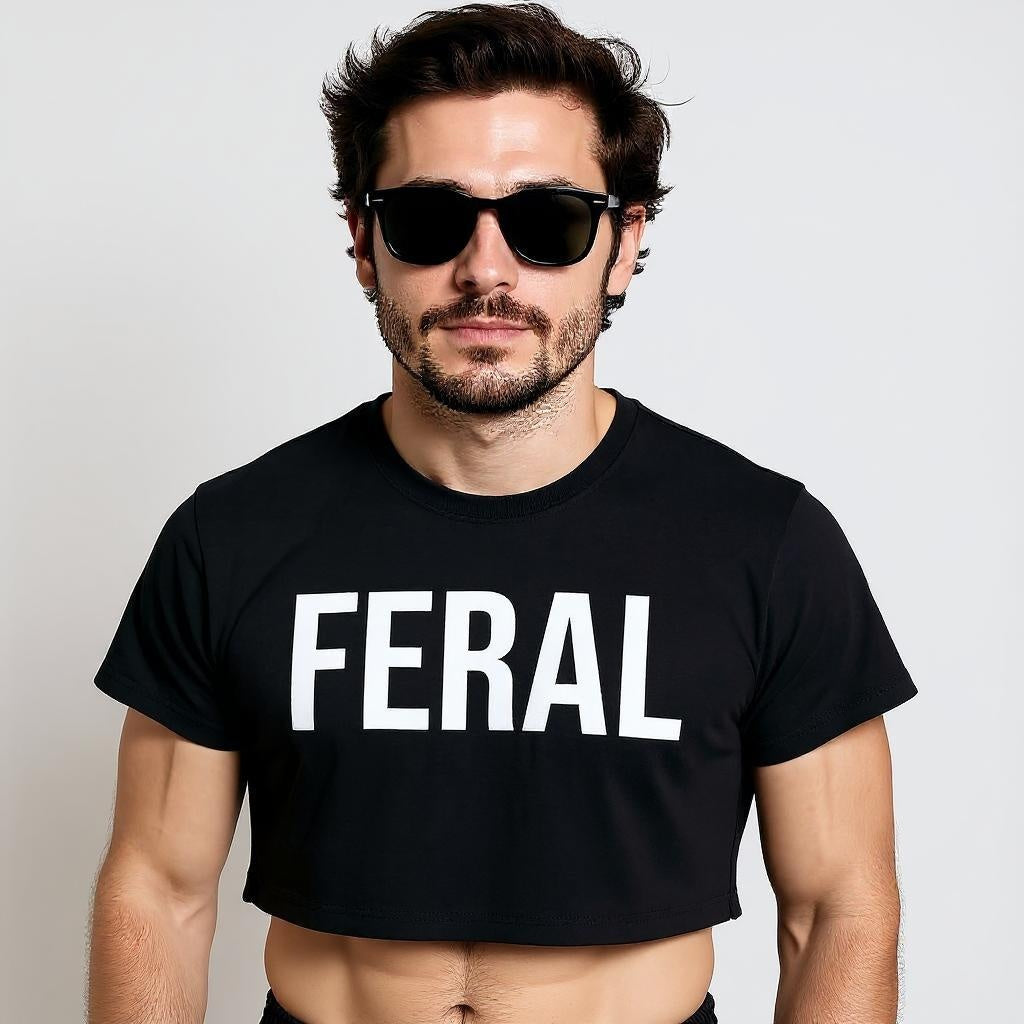
Looking for the "Brat Crop Top"? This piece from The Bayou WeHo exemplifies how a single standout item can anchor your rotation. Featuring bold typography and a cropped silhouette that works across body types, it's perfect for layering under an oversized blazer or showcasing solo on dance floors. The relaxed fit and ribbed construction offer comfort without sacrificing edge—ideal whether you're hitting happy hour or Saturday's drag brunch.
Limited runs, artisan processes, deadstock and upcycling, small-batch dyeing
Scarcity isn't just hype; limited production runs reduce waste and ensure you won't encounter your outfit on three strangers. Artisan techniques—hand-dyeing, screen-printing, natural indigo vats—inject variability that mass manufacturing erases. Deadstock fabrics rescue orphaned textiles from landfills, and small-batch dyeing yields color variations impossible to replicate.
These methods carry higher price tags, but they also deliver garments with genuine provenance.
Cultural appreciation vs. appropriation: responsible motifs and sourcing stories
Borrowing motifs without context or compensation harms communities. Appreciation involves collaboration, credit, and fair payment to originating cultures. Look for designers who name artisans, explain symbolic meanings, and share revenue. Vague "tribal-inspired" patterns with no named origin? Red flag.
Responsible sourcing stories aren't marketing fluff—they're ethical table stakes.
Fit, Sizing, and Comfort First
How to measure yourself (chest, shoulder, rise, inseam, hip) and read size charts
Grab a soft measuring tape. For chest, measure at the fullest point, arms relaxed. Shoulder width runs from edge to edge across your back. Rise is crotch seam to waistband. Inseam travels from crotch to ankle along the inside leg. Hip measurement circles the widest part of your glutes.
Compare these numbers against brand-specific size charts—never assume Small means the same across labels.
Fabric behavior: drape, stretch, weave, GSM, and how they affect movement
Drape describes how fabric falls: silk charmeuse flows, heavyweight cotton twill holds structure. Stretch fabrics (elastane blends, knits) forgive measurement variance. Weave density—measured in grams per square meter (GSM)—determines warmth and opacity. A 180 GSM jersey breathes; 300 GSM offers winterweight coverage.
Understanding these properties prevents buying a "flowy" top that actually clings or trousers that bag at the knees.
Alterations and adjustability: tailoring, elastic toggles, side tabs, modular panels
Even well-designed pieces may need tweaking. Hemming, taking in side seams, or tapering legs costs less than you think and perfects fit. Built-in adjustability—drawstring waists, button tabs, convertible sleeves—extends a garment's lifespan across weight fluctuations and styling moods.
Don't sleep on your local tailor; they're fit wizards.
Where to Find Unique Gender-Neutral Pieces (and How to Vet Them)
Indie designers, marketplaces, thrift/vintage, custom and made-to-measure
Independent designers often debut on Instagram or Etsy before scaling. Curated marketplaces like Garmentory or The Folklore aggregate small brands. Thrift stores and vintage shops yield one-of-a-kind finds, though sizing requires patience. Made-to-measure services—some remote, some local—guarantee fit but demand lead time.
Diversify your sources to balance budget, timeline, and uniqueness.
Search tactics: keywords, filters, lookbooks, hashtags, and newsletter drops
Use precise terms: "gender-neutral oversized linen shirt" beats "shirt." Enable size and price filters early. Study lookbooks for styling context and fabric drape. Hashtags like #genderneutralstyle or #queerfashion surface emerging designers. Subscribe to brand newsletters; limited drops sell out in hours.
Strategic searching turns the internet's vastness into an advantage.
Vetting checklist: inclusive sizing, model diversity, clear policies, transparent supply chains
- Do size ranges extend beyond S–XL?
- Are models varied in body type, skin tone, age, and presentation?
- Are return, exchange, and care instructions clear?
- Does the brand disclose factory locations or material origins?
Brands passing this checklist earn your trust—and your dollars.
Budget tiers and value cues: construction quality, materials, and cost-per-wear
Entry tier (under $50): Expect natural-fiber blends, simpler cuts, standard finishes. Mid ($50–$150): Higher-quality textiles, thoughtful details, small-batch production. Premium ($150+): Artisan techniques, rare fabrics, made-to-order or limited runs.
Calculate cost-per-wear: a $120 jacket worn 200 times over five years costs 60 cents per outing. A $30 tee worn twice before pilling? $15 per wear.
Styling Playbook: Everyday Uniforms to Statement Looks
Capsule building: base layers + one standout piece
Start with five neutrals: well-fitted tee, button-down, straight-leg pant, A-line or boxy top, and layering cardigan. Add one statement piece—bold print, architectural cut, unusual texture. This 6:1 ratio generates dozens of combinations without decision fatigue.
Your standout rotates; your base endures.
Layering and proportion swaps (cropped over longline, wide-leg with fitted top)
Proportion play creates visual interest. Pair a cropped hoodie over a longline tee for depth. Balance wide-leg trousers with a tucked or fitted top to define waistline. Experiment with sleeve lengths: short over long, or vice versa.
These swaps refresh the same pieces endlessly.
Accessories and footwear that amplify uniqueness without gendered cues
Structured crossbody bags, geometric jewelry, patterned socks peeking from boots, wide-brimmed hats, and chunky sneakers all register as stylish without binary coding. Let accessories echo your standout piece's palette or deliberately contrast it.
Footwear especially—combat boots to canvas slip-ons—anchors your vibe.
Sustainability and Care for Longevity
Materials and certifications that matter (GOTS, FSC viscose, RWS wool, recycled content)
"Certifications aren't perfect, but they're the best shorthand we have for verifying environmental and labor standards in opaque supply chains."
Global Organic Textile Standard (GOTS) certifies organic fiber and ethical processing. Forest Stewardship Council (FSC) viscose ensures responsible forestry. Responsible Wool Standard (RWS) audits animal welfare. Recycled content—polyester from bottles, regenerated nylon—diverts waste.
Prioritize these markers when budgets allow.
Avoiding greenwashing: concrete claims vs. vague marketing
"Eco-friendly" without specifics is greenwashing. Look for percentages (e.g., "70% recycled polyester"), named certifications, and third-party verification. Vague "sustainable" or "conscious" collections often mask business-as-usual practices.
Demand receipts, not buzzwords.
Care routines: cold wash, inside-out for prints, air dry, de-pilling, simple repairs
Cold water preserves dyes and reduces energy use. Washing inside-out protects prints and embellishments. Air drying prevents shrinkage and fiber breakdown. A fabric shaver rescues pilled knits. Learn basic hand-stitching for loose buttons or small tears.
Proper care doubles garment lifespan—sometimes triples it.
Circular options: resale, swap, rental, and take-back programs
Platforms like Depop, Poshmark, and TheRealReal extend garment life. Clothing swaps with friends refresh wardrobes at zero cost. Rental services suit occasion wear. Some brands offer take-back programs, recycling worn pieces into new textiles.
Circular thinking closes the loop and lightens your environmental footprint.
FAQs
How do I find gender-neutral pieces that fit a curvier, petite, or taller frame?
Seek brands explicitly offering extended sizing and height variations. Look for adjustable features—drawstrings, elastic, convertible hems. Petite and tall shoppers should prioritize rise and inseam measurements over generic size labels. Some indie designers offer custom hem lengths at no extra charge.
What if my workplace has a dress code—can I stay unique and compliant?
Absolutely. Swap bold prints for unique textures (jacquard, slub knits), architectural cuts in neutral tones, or statement hardware on otherwise classic silhouettes. Accessories—pins, pocket squares, interesting eyewear—inject personality within conservative frameworks.
How can I tell if a pattern or motif crosses into cultural appropriation?
Ask: Does the brand name the culture and collaborate with members? Is there revenue-sharing or credit? Or is the motif decontextualized decoration? If the latter, it's appropriation. When in doubt, research the symbol's significance and whether the originating community has voiced concerns.
Are there plus-size and kid options with truly unique designs?
Yes, though they require intentional searching. Brands like Big Bud Press, Kirrin Finch, and Wildfang extend into plus sizes with genuine design innovation. For kids, look to independent makers on Etsy and small labels like Primary or Modern Rascals that prioritize inclusivity and creativity.
How do I confidently buy final-sale or limited-run items online?
Measure yourself meticulously and cross-reference size charts. Read customer reviews for fit notes ("runs large," "narrow shoulders"). Contact customer service with specific measurement questions. Some brands offer virtual fit consultations. Accept that occasional misses are part of the territory—resale platforms recoup most losses.
Can I customize basics I already own to make them feel unique?
Definitely. Add patches, embroider details, swap buttons for vintage alternatives, overdye faded items, or crop hems. Visible mending—sashiko stitching, contrast patches—transforms repairs into design features. DIY screen-printing kits and fabric markers offer low-barrier customization.
Next Steps: A Quick Action Checklist
Measure accurately and note preferred fits (relaxed, boxy, tailored)
Dedicate fifteen minutes to measure chest, shoulder, rise, inseam, and hip. Record these numbers in your phone's notes app along with fit preferences gleaned from current favorites. This data becomes your north star when shopping online.
Shortlist three designers/shops and set alerts for drops
Research three brands that align with your aesthetic, budget, and values. Follow them on Instagram, subscribe to newsletters, and enable shop notifications. Limited releases reward the prepared.
Plan three outfits mixing current wardrobe with one unique piece
Before buying anything new, photograph three outfit combinations using what you own plus one hypothetical standout item. This exercise clarifies what's missing and prevents impulse purchases that languish unworn.
Track comfort, compliments, and confidence to refine your style map
Keep a simple note: which pieces get worn repeatedly, which draw compliments, and—most importantly—which make you feel most yourself. Over three months, patterns emerge that guide future purchases with precision.