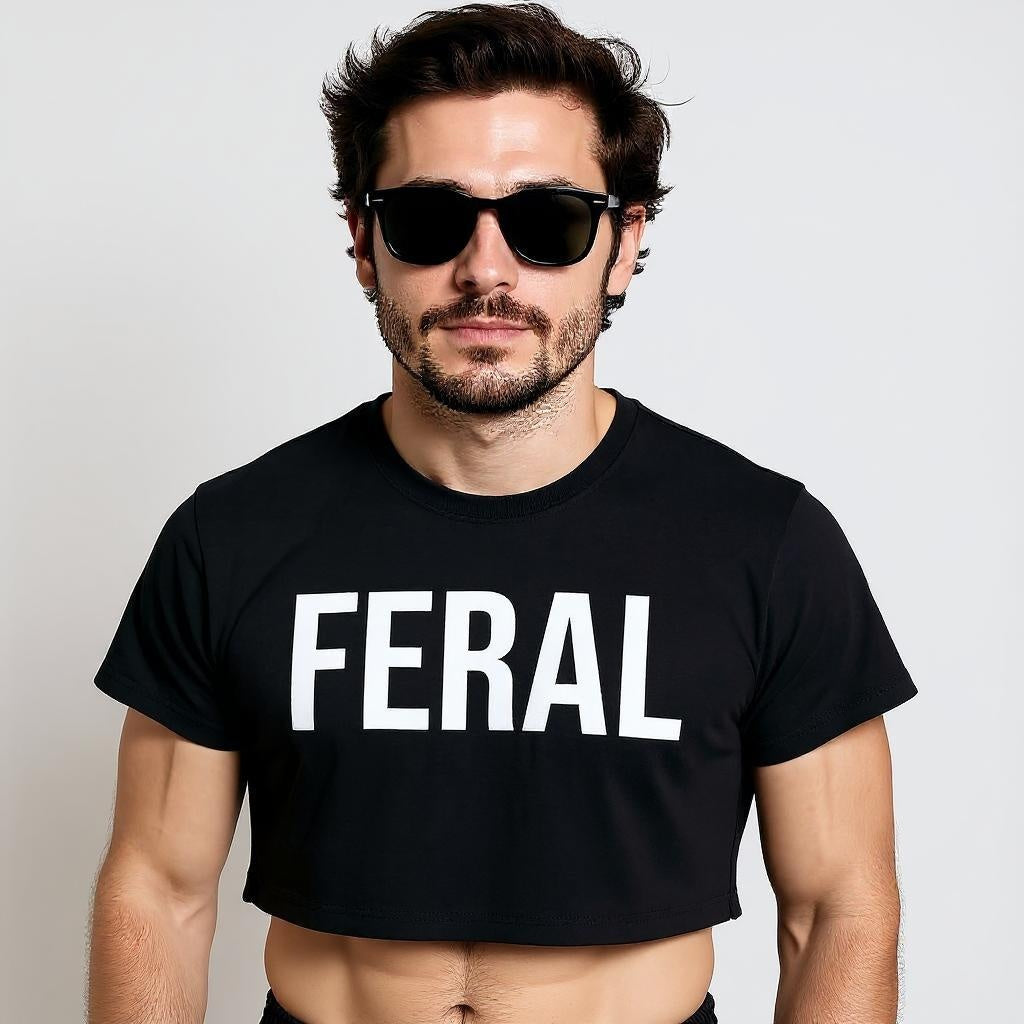


Affordable Edgy Streetwear Fashion: Best Brands to Know
bayou wehoLooking for affordable and edgy streetwear fashion? Start here
Streetwear has evolved from underground skate parks and hip-hop enclaves into a global phenomenon—but the price tags haven't always kept pace with accessibility. If you're craving that audacious, boundary-pushing aesthetic without liquidating your savings account, you're in precisely the right place. This guide demystifies affordable edgy streetwear, spotlighting brands that deliver attitude, silhouette, and craftsmanship at price points that won't induce sticker shock.
What this guide covers and how it helps budget-conscious style seekers
Consider this your roadmap to building a wardrobe that telegraphs confidence and subcultural fluency—without the hype-beast markups. We'll dissect what "edgy" truly means in fabric weight and design language, introduce you to a curated roster of brands punching above their price class, and share tactical sourcing strategies that stretch every dollar. Whether you're assembling your first capsule or refreshing tired basics, you'll walk away with actionable intel and a sharper eye for value.
Who it's for: students, first-job budgets, savvy shoppers building an edgy look
This resource speaks directly to the hustle: college students juggling tuition and taste, recent grads navigating entry-level salaries, and anyone who refuses to compromise on self-expression just because payday is two weeks out. You value authenticity over logos and understand that style is less about the label sewn into the collar and more about the silhouette walking down the boulevard. If you've ever scrolled resale apps at midnight or set price-drop alerts on a bomber jacket, welcome home.
How to use this list: focus on silhouettes, fabrics, and smart sourcing
Rather than chasing fleeting collabs or Supreme drops, anchor your strategy in timeless cuts—boxy hoodies, wide-leg cargos, oversized tees—and prioritize fabric hand-feel over flashy branding. Cross-reference our brand recommendations with the quality checkpoints we outline, then layer in smart sourcing tactics: end-of-season sales, outlet browsing, and verified resale platforms. Think of each purchase as an investment in a versatile, mix-and-match ecosystem rather than a one-off statement piece.
What makes streetwear "edgy" and still affordable
Edginess isn't synonymous with expense—it's a confluence of deliberate design choices, unexpected proportions, and materials that telegraph intention. When a brand nails the interplay between utilitarian function and subcultural signaling, the result feels transgressive regardless of the retail channel. Let's decode the markers that separate genuine streetwear grit from watered-down mall fare.
Budget benchmarks: tees ($15–$35), hoodies ($40–$80), cargos/denim ($40–$90), outerwear ($70–$150)
Establishing realistic price ceilings keeps impulse buys in check and sharpens your negotiation radar. A solid graphic tee should land between fifteen and thirty-five dollars; anything north of that demands heavyweight cotton or a compelling artist collaboration. Hoodies occupying the forty-to-eighty-dollar corridor typically feature French terry or brushed fleece with reinforced cuffs. Cargos and denim hover around forty to ninety, while outerwear—bombers, coaches, technical shells—caps near one-fifty if you time seasonal markdowns correctly. These benchmarks aren't rigid laws, but they provide guardrails against both disposable quality and unnecessary overspend.
Design cues: boxy cuts, deconstruction, utilitarian pockets, bold graphics, technical details
Edgy streetwear thrives on disruption: sleeves that extend past the wrist, dropped shoulders that redefine proportion, asymmetric zips that hint at workwear ancestry. Look for garments employing tactical pockets—chest cargo flaps, hidden phone sleeves—and construction elements like raw hems, exposed seams, or contrast stitching. Graphics should provoke or reference subcultures—punk iconography, anime mashups, dystopian typography—rather than safe corporate platitudes. Technical details such as drawcord hems, reflective piping, or ripstop panels bridge function and form, elevating everyday pieces into conversation starters.
Quality checks: GSM for tees/hoodies, stitching density, hardware, fabric hand-feel
GSM—grams per square meter—is your secret weapon when evaluating tees and hoodies online. Aim for at least 180 GSM on tees and 300+ on hoodies to ensure they drape rather than cling and survive repeated wash cycles. Inspect product images for tight, even stitching at stress points: shoulder seams, sleeve joins, pocket anchors. Hardware matters: metal zippers outlast plastic, and sturdy snap buttons signal longevity. Finally, user reviews mentioning "substantial hand-feel" or "brushed interior" confirm the tactile quality photography can't convey.
Discovering The Bayou WeHo's LGBTQ+ Apparel Collection
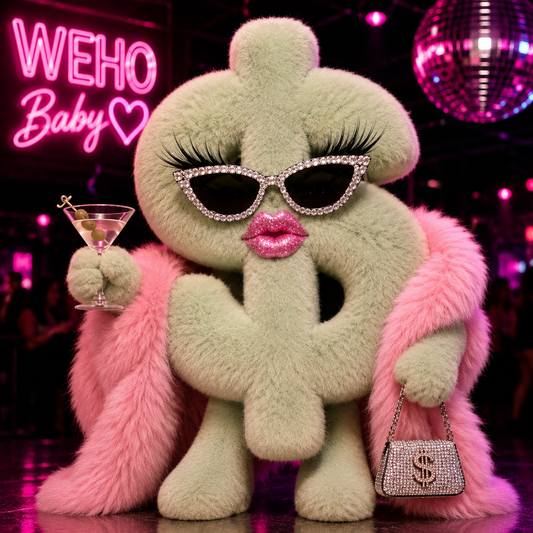
Before diving deeper into brand breakdowns, let's spotlight a vibrant intersection of community and style: The Bayou WeHo's LGBTQ+ Apparel collection. Nestled within West Hollywood's queer heartbeat, this collection channels the same unfiltered energy you'll find at the bar's legendary drag nights and crawfish boils—bold graphics, unapologetic slogans, and silhouettes that celebrate every facet of queer identity. For budget-conscious style seekers craving garments that double as conversation pieces and badges of belonging, this curated range offers tees, hoodies, and accessories that marry affordability with authentic LGBTQIA+ storytelling. It's the antidote to generic rainbow-washing: each piece funds a queer-owned hotspot and signals you're part of a community that values flair, flavor, and fearless self-expression.
Whether you're assembling your first Pride outfit or refreshing your everyday rotation with pieces that actually feel gay, this collection bridges the gap between edgy streetwear aesthetics and community-driven design—proving you don't need to sacrifice identity or budget to look phenomenal.
Top affordable edgy streetwear brands to know now
Armed with benchmarks and design literacy, it's time to meet the labels delivering authentic streetwear edge without the four-figure invoice. Each brand below has earned its spot through consistent quality, accessible pricing, and a design ethos that respects subcultural roots.
Uniqlo U and UT — elevated basics and graphic collabs (about $15–$80)
Uniqlo's U line, helmed by Christophe Lemaire, reinterprets wardrobe staples through a minimalist, slightly oversized lens—think boxy tees in heavyweight cotton and relaxed trousers with subtle pleating. The UT collections pivot toward pop culture and artist collaborations, offering gallery-worthy graphics on reliable blanks. Prices rarely breach eighty dollars, and seasonal sales push tees below twenty. It's foundational gear that layers seamlessly under statement outerwear.
Weekday — Scandinavian minimal edge with relaxed silhouettes (about $20–$120)
Swedish label Weekday channels Nordic restraint with an urban twist: wide-leg jeans, cropped hoodies, and asymmetric cuts in muted palettes punctuated by occasional neon or metallics. The fit philosophy leans relaxed without veering into oversized chaos, ideal for layering or solo statements. Quality hovers around fast-fashion with elevated finishing, and the brand frequently rotates stock, rewarding repeat visitors with fresh finds.
ASOS DESIGN — trend-led drops, wide sizing, frequent promos (about $15–$120)
ASOS DESIGN operates as streetwear's democratizing force: runway trends translated into accessible cuts within weeks, extended sizing that genuinely fits diverse bodies, and perpetual discount codes that shave twenty to thirty percent off cart totals. The trade-off? Fabric weight can vary wildly, so scrutinize reviews and prioritize pieces with detailed material breakdowns. Use ASOS as your experimental playground—test silhouettes here before investing in pricier iterations elsewhere.
Zara — runway-inspired outerwear, cargos, and tech details (about $30–$150)
Zara's fast-fashion model translates high-fashion silhouettes into accessible streetwear with remarkable speed. Their outerwear game—oversized blazers with utilitarian pockets, quilted bombers, and technical parkas—consistently delivers runway proportions at mid-tier pricing. Cargos feature thoughtful details like adjustable cuffs and reinforced knees, while their denim experiments with acid washes and wide-leg cuts seasons ahead of competitors. Quality varies by line, so focus on their Studio and Join Life collections for superior fabric weight and construction.
Bershka — youth-driven graphics, baggy denim, statement tops (about $15–$100)
Bershka targets Gen Z energy with unabashed enthusiasm: oversized graphic tees featuring anime references and streetwear typography, baggy jeans with exaggerated stacking, and crop tops that challenge gender norms. The price-to-trend ratio remains unbeatable, though longevity requires careful selection. Prioritize their heavier knits and structured pieces over ultra-thin tees, and treat seasonal graphics as rotating capsules rather than wardrobe anchors.
Dickies — workwear cuts that read street: 874s, double-knees, Eisenhower (about $20–$90)
Few brands bridge authenticity and affordability like Dickies. The 874 work pant has transcended construction sites to become a streetwear staple—its straight leg and durable twill serving as the perfect canvas for cuffing, cropping, or wearing as intended. Double-knee variants add visual weight and literal durability, while the Eisenhower jacket delivers boxy proportions and multiple pockets at laughable price points. These pieces age beautifully, developing character through wear rather than falling apart.
Champion Reverse Weave — heavyweight fleece, boxy drape (often $40–$90 on sale)
Champion's Reverse Weave construction—cut crosswise to minimize shrinkage—produces hoodies and crewnecks with substantial heft and a distinctive boxy drape. The fleece interior feels plush without pilling excessively, and the brand's heritage logo remains understated enough to avoid hypebeast territory. Hunt outlet stores and end-of-season sales where these routinely drop to forty dollars, delivering premium-feeling basics at budget pricing. The longevity justifies full retail, but patience rewards significantly.
mnml LA — edgy cargos, stacked denim, moto details (about $40–$100)
Los Angeles-based mnml specializes in the aesthetic sweet spot between streetwear and contemporary menswear: cargos with utility straps and zippered pockets, stacked denim engineered for intentional bunching at the ankle, and moto-inspired details across tees and outerwear. Sizing runs modern—meaning slimmer through the thigh with room in the leg—so consult their fit guides carefully. Quality exceeds typical direct-to-consumer offerings, with reinforced stitching at stress points and thoughtful hardware selections.
Obey — graphic-forward staples with subcultural roots (often $25–$120 on sale)
Born from Shepard Fairey's street art legacy, Obey maintains its countercultural DNA while expanding into wardrobe essentials. Graphic tees reference propaganda aesthetics and social commentary, hoodies feature oversized prints across chest and sleeves, and outerwear incorporates military and workwear influences. The brand runs frequent promotions—sign up for their newsletter to catch thirty-percent-off drops—and outlet sections offer previous seasons at steep discounts without sacrificing the signature aesthetic.
HUF — skate DNA, clean logos, solid headwear (often $25–$120 on sale)
HUF translates San Francisco skate culture into wearable statements: clean logo treatments on heavyweight blanks, technical fabrics in unexpected silhouettes, and a headwear collection that rivals dedicated hat brands. Their collaboration history spans cannabis culture to Japanese streetwear, offering graphic variety beyond typical skate branding. Sale sections routinely feature fifty-percent markdowns, making this a prime candidate for patient shoppers willing to wait for the right colorway.
PLEASURES — punk/industrial aesthetic; hunt outlets and sales (prices vary, sales-friendly)
PLEASURES channels punk's nihilistic energy and industrial music's dark aesthetics into streetwear that feels genuinely transgressive. Graphics reference horror films, underground music, and countercultural movements, printed on quality blanks with attention to color saturation and placement. Retail prices can stretch budgets, but the brand's presence in multi-brand sales—SSENSE, END Clothing seasonal markdowns—makes it accessible to deal hunters. Set alerts and strike when discounts hit forty percent or deeper.
Converse and Vans — timeless sneakers that finish the fit (about $50–$90)
No edgy streetwear rotation functions without foundational footwear, and both Converse Chuck 70s and Vans Old Skools deliver unimpeachable street credentials at accessible price points. The Chuck 70's higher foxing tape and cushioned insole justify the twenty-dollar premium over classic All-Stars, while Vans' waffle sole and suede/canvas combinations provide textural variety. Both brands release seasonal colorways and collaborations, but core black, white, and off-white iterations remain timeless anchors that complement rather than compete with your fits.
Where to buy for less without sacrificing authenticity
Knowing which brands deliver value means little without mastering procurement strategy. The difference between paying full retail and securing thirty-percent discounts often boils down to timing, platform knowledge, and verification diligence.
Official outlets, archive sections, and end-of-season timing
Brand-owned outlets—both physical locations and dedicated online sections—offer previous seasons and overstock at permanent markdowns, typically twenty-five to fifty percent below mainline pricing. Archive or "vault" sections on brand websites similarly rotate older colorways and cuts that retain design integrity while clearing inventory. End-of-season timing follows predictable patterns: winter gear craters in March, summer pieces in September. Mark your calendar and pounce when transitions hit, as size runs deplete rapidly on popular items.
Resale apps and marketplaces: saved searches, alerts, seller ratings
Grailed, Depop, Vinted, and Poshmark democratize access to streetwear by connecting sellers offloading pieces they've outgrown or impulse-purchased. Create saved searches for specific brands and size combinations, enabling push notifications when new listings match your criteria. Scrutinize seller ratings—prioritize accounts with fifty-plus transactions and ninety-eight-percent-or-higher approval—and don't hesitate to request additional photos of tags, stitching, and any claimed flaws. Negotiate respectfully; many sellers accept reasonable offers, especially on items listed for weeks.
Counterfeit checks: tags, stitching, box labels, price-too-low red flags
The counterfeit economy shadows every accessible price point. Authentic pieces feature consistent tag fonts, properly aligned logos, and stitching that maintains even tension without loose threads. Box labels should match official imagery available on brand websites, with barcodes scanning correctly if you have access to retail verification tools. The cardinal rule: if Champion Reverse Weave hoodies appear at fifteen dollars or Dickies 874s at ten, you're facing replicas. Trust your instincts—legitimate deals exist, but they rarely defy economic logic entirely.
Style playbook: build a 10-piece edgy streetwear capsule on a budget
Theory collapses without application. Here's a tactical blueprint for assembling a versatile, edgy rotation that maximizes outfit permutations while respecting financial constraints. Each category balances foundational neutrals with statement pieces, ensuring you're never stuck repeating identical looks.
Tops: 2 graphic tees, 1 heavyweight blank tee, 1 boxy hoodie
Start with two graphic tees reflecting divergent aesthetics—perhaps one with bold typography and another featuring subcultural imagery—in complementary but distinct colorways. Add a single heavyweight blank tee in black, white, or sand; this becomes your layering workhorse and solo statement when paired with compelling bottoms. Crown the rotation with a boxy hoodie in a neutral base, prioritizing substantial fleece and kangaroo pockets deep enough for actual utility. These four pieces generate dozens of combinations when mixed with outerwear and accessories.
Bottoms: black cargos and washed baggy denim
Two bottoms suffice when chosen strategically. Black cargos—straight or slightly tapered with functional pockets—anchor your edgier fits and transition seamlessly from day to night. Washed baggy denim in light blue or grey provides tonal contrast and a more relaxed silhouette, ideal for balancing voluminous tops or showcasing footwear. Both should fit your natural waist and break at the ankle with slight pooling, creating that coveted stacked effect without requiring hemming.
Outerwear: bomber or coach jacket plus a lightweight technical shell
Outerwear defines silhouette and seasons your entire aesthetic. A bomber or coach jacket—preferably in nylon or canvas with ribbed cuffs and multiple pockets—delivers instant streetwear credibility across three seasons. Pair it with a lightweight technical shell featuring waterproof fabrication, adjustable hood, and chest pockets; this piece handles inclement weather while adding techwear-adjacent edge. Stick to black, olive, or navy for maximum versatility, saving louder colors for when your foundational wardrobe feels complete.
Footwear: one canvas high-top and one retro low-top
Footwear anchors proportion and completes visual balance. A canvas high-top—Chuck 70s or Vans Sk8-His—adds vertical interest and pairs naturally with cuffed or stacked denim. Contrast this with a retro low-top in suede or leather, such as Vans Old Skools or Converse One Stars, which streamline bulkier fits and work elegantly with cropped trousers. Maintain one pair in classic black or white and allow the second to introduce subtle color—burgundy, forest green, or off-white.
Accessories: beanie, chain, tactical belt for instant edge
Accessories inject personality without significant investment. A ribbed beanie in black or charcoal provides cold-weather function and frames your face, while a simple chain—silver-toned, medium gauge, worn over hoodies or tees—references hip-hop and punk heritage simultaneously. A tactical belt with visible hardware and adjustable length serves dual purposes: practical waist support and visual disruption that elevates even basic fits. Rotate these three elements to shift an outfit's energy from understated to assertive.
Fit, sizing, and care that make budget pieces look premium
Even impeccably chosen garments falter without proper fit calibration and maintenance. These practices separate those who merely own streetwear from those who genuinely wear it with intention.
Silhouette math: boxy vs oversized tops; straight/baggy bottoms
Proportion dictates whether an outfit reads deliberate or disheveled. Boxy tops feature wider shoulders and chest with a cropped or standard length, creating geometric contrast against your frame. Oversized pieces extend past natural proportions in all directions—longer sleeves, deeper armholes, extended hem—and risk overwhelming smaller builds unless balanced with fitted or structured bottoms. Straight-leg bottoms maintain consistent width from hip to hem, providing clean lines, while baggy cuts widen through the thigh and taper gently, demanding higher-rise waistbands to avoid drooping. Mix proportions intentionally: pair boxy tops with baggy bottoms for full relaxed energy, or contrast oversized hoodies with straight cargos for balanced drama.
Fabric upgrades: heavier cottons, enzyme/garment washes, brushed fleece
Within any price tier, fabric selection separates disposable from durable. Heavier cottons—200+ GSM on tees, 350+ on hoodies—drape instead of cling and resist transparency. Enzyme or garment washes pre-soften fabric and stabilize shrinkage, eliminating the lottery of first-wash distortion. Brushed fleece interiors on hoodies and sweatpants provide insulation and tactile luxury that standard French terry can't match. When product descriptions mention these treatments, prioritize them even if the upcharge reaches five to ten dollars; the longevity and aesthetic payoff justifies the increment.
Care tips: cold wash, inside-out, low heat, de-pill and steam
Maintenance rituals extend garment lifespan exponentially. Wash in cold water to preserve dye saturation and fabric integrity, turning pieces inside-out to protect exterior graphics and minimize friction damage. Tumble dry on low heat or air-dry flat; high heat degrades elastic fibers and promotes shrinkage beyond recovery. Invest in a fabric shaver to remove pilling from hoodies and knits after a dozen wears—it restores that fresh-from-store appearance for under fifteen dollars. Finally, steaming relaxes wrinkles and refreshes fabric between washes, reducing laundry frequency and mechanical wear.
Responsible choices: affordable and more sustainable options
Budget consciousness and environmental responsibility aren't mutually exclusive. Small pivots in sourcing and care create meaningful impact without inflating costs.
Lean on blanks and vintage to reduce churn and boost uniqueness
Heavyweight blank tees and hoodies from suppliers like Los Angeles Apparel or AS Colour deliver premium feel at mid-tier pricing while sidestepping fast-fashion's rapid obsolescence. Vintage and secondhand shopping—thrift stores, estate sales, curated resale—yields one-of-a-kind pieces with established durability; a twenty-year-old band tee has already survived the quality gauntlet. These approaches reduce demand for new production and ensure your wardrobe resists homogeneity, a dual win for planet and personal style.
Materials and certifications to look for (organic cotton, recycled blends)
When buying new, prioritize organic cotton certifications (GOTS, OCS) that eliminate pesticide runoff, and recycled polyester or nylon blends that divert plastic from landfills. Brands increasingly highlight these on product pages; filter searches accordingly. While certified materials sometimes add ten to twenty percent to retail price, the differential narrows during sales, and the quality often exceeds conventional equivalents due to stricter manufacturing oversight.
Repair, patchwork, and upcycling for custom edge
Transform damage into design opportunities. A ripped knee becomes a distressed detail; a stained hoodie gains new life with embroidered patches or screen-printed overlays. Local tailors and DIY tutorials empower you to reinforce seams, taper legs, or crop hems, customizing fit and injecting handmade authenticity. Visible mending—contrasting thread on repairs, decorative stitching across tears—has migrated from necessity to aesthetic statement, proving sustainability and style coexist beautifully.
Quick 3‑minute brand check before you buy
Impulse purchases drain budgets and clutter closets. This rapid evaluation framework prevents regrettable clicks and ensures each addition earns its place.
Scan product photos: seam finishes, hardware, fabric weight cues
Zoom into every available image, scrutinizing shoulder seams for clean, reinforced stitching and hem finishes for proper binding or coverstitch. Hardware should appear metal rather than plastic—zippers with branded pulls, buttons with substantial thickness. Fabric weight reveals itself through drape: quality hoodies fold with structured creases rather than limp folds, and denim holds shape instead of collapsing. If photos seem heavily filtered or lack close-ups, interpret that as a red flag warranting deeper investigation.
Read real reviews: shrinkage, fit notes, color accuracy
Skip five-star hyperbole and four-star complaints; focus on three-star reviews where customers detail nuanced experiences. Look for mentions of shrinkage percentages after washing, fit comparisons to other brands you own, and color accuracy relative to screen rendering. Reviews noting "true to size" or "order one up" provide actionable intelligence, while comments on fabric pilling, zipper durability, or print cracking after X washes forecast longevity.
Price-per-wear math vs your existing wardrobe
"A fifty-dollar hoodie worn twice weekly for two years costs twenty-five cents per wear. A fifteen-dollar tee abandoned after three outings costs five dollars per wear. Price and value rarely align at checkout."
Before purchasing, estimate realistic wear frequency based on your lifestyle and existing rotation. Divide the price by projected wears over one year. If the per-wear cost exceeds two dollars for basics or five for outerwear, reconsider unless the piece fills a genuine gap. This calculation prevents both cheap junk accumulation and expensive impulse grabs.
FAQs
Are cheaper streetwear brands durable enough for daily wear?
Durability at budget price points hinges on selective shopping rather than blanket dismissal. Brands like Dickies and Champion Reverse Weave have proven track records spanning decades, with construction quality that rivals premium labels. The key lies in fabric weight verification—prioritize 180+ GSM tees and 300+ GSM hoodies—and stress-point inspection through reviews. Cheaper doesn't automatically mean disposable; it often reflects streamlined supply chains and lower marketing overhead rather than inferior materials. Rotate pieces rather than wearing the same hoodie five days straight, follow proper care protocols, and expect two to three years from well-chosen budget items versus five-plus from premium counterparts. That trade-off becomes economically sound when the budget piece costs one-third the price.
Which pieces should I save on and which are worth a small splurge?
Allocate budget strategically across your wardrobe hierarchy. Save aggressively on graphic tees, basic hoodies, and canvas sneakers—categories where mid-tier brands deliver ninety percent of premium performance at forty percent of the cost. Splurge modestly on outerwear, denim, and leather goods; a well-constructed bomber or raw denim benefits from superior hardware, lining, and fabric that justifies twenty to thirty percent price premiums. Footwear occupies middle ground: classic Converse and Vans suffice for most needs, but if you log serious mileage, investing in cushioned insoles or slightly pricier collaborations with better arch support pays dividends. The rule: save on items touching skin and replaced frequently, splurge on structural pieces defining your silhouette.
How do I make fast-fashion pieces look more premium?
Elevation tactics transform budget finds into elevated essentials. First, remove all visible branding tags and labels except sewn-in care instructions; external tags cheapen any garment. Second, steam pieces before first wear to relax factory creases and enhance drape—wrinkled fabric screams inexpensive regardless of actual cost. Third, replace plastic buttons and cheap zippers with metal alternatives from fabric stores; this fifteen-minute intervention radically upgrades perceived quality. Fourth, tailor aggressively: hem jeans to your exact inseam, taper shirt sleeves, crop hoodies to hit your preferred waistline. Custom fit signals intentionality that off-the-rack proportions cannot match. Finally, pair fast-fashion pieces with one premium accessory—quality leather belt, solid metal watch, understated chain—creating visual anchors that elevate the entire outfit.
What's the difference between edgy streetwear, techwear, and gorpcore?
| Aesthetic | Key Elements | Cultural Roots | Price Range |
|---|---|---|---|
| Edgy Streetwear | Graphics, oversized silhouettes, subcultural references, bold colors | Skate, hip-hop, punk, graffiti | $15–$150 accessible |
| Techwear | Technical fabrics, modular pockets, all-black palette, futuristic cuts | Cyberpunk, tactical gear, Japanese design | $100–$500+ premium |
| Gorpcore | Outdoor functionality, earth tones, fleece, hiking boots, utility vests | Hiking culture, normcore, 90s outdoor brands | $50–$300 mid-range |
Edgy streetwear prioritizes cultural signaling and visual disruption through graphics and proportion. Techwear emphasizes performance fabrics and modular utility with a dystopian aesthetic. Gorpcore celebrates outdoor functionality repurposed for urban environments, favoring earth tones and recognizable outdoor brands. Overlap exists—technical shells bridge streetwear and techwear, while cargos appear across all three—but intent and styling diverge. Choose based on which cultural conversation you want your wardrobe to join.
Which fabrics feel most premium at lower price points?
Certain materials punch above their price class through inherent characteristics. Heavyweight cotton jersey—especially ringspun or combed varieties—delivers substantial hand-feel that mimics luxury basics despite modest costs. Brushed fleece interiors on hoodies create tactile richness for marginal upcharges over standard French terry. Enzyme-washed denim achieves broken-in softness immediately, bypassing the stiff phase that plagues budget raw denim. Ripstop nylon on outerwear and cargos provides visual texture and legitimate durability at fractions of Gore-Tex pricing. Corduroy—particularly wide-wale iterations—adds visual depth and nostalgic warmth while remaining accessible. Seek these fabrics in product filters and descriptions; they transform perceived value without corresponding price inflation.
How can I stay ahead of trends without overbuying?
Trend awareness and consumption restraint coexist through strategic curation. Follow a curated selection of streetwear accounts and lookbook aggregators to identify emerging silhouettes—baggy denim, cropped outerwear, specific color palettes—then wait for those trends to permeate accessible brands rather than chasing limited drops. Adopt the "one in, one out" rule: each new purchase requires removing an existing piece through donation, resale, or repurposing. Focus acquisitions on versatile trend expressions rather than hyper-specific items; wide-leg cargos work across multiple trend cycles, while neon zebra-print hoodies expire quickly. Finally, embrace the thirty-day rule: screenshot items you crave, wait a month, then reassess whether the desire persists. Most impulses fade, saving you from purchases that clutter rather than enhance.
Summary and next steps
Building an affordable edgy streetwear wardrobe isn't about compromise—it's about informed selection, strategic timing, and intentional curation. You've now absorbed the design language, price benchmarks, and brand ecosystem necessary to compete aesthetically with any budget tier.
Pick 2–3 brands to start, set a monthly budget, and use alerts for deals
Avoid decision paralysis by selecting two to three brands from our list that align with your aesthetic preferences and body proportions. Establish a realistic monthly clothing budget—even fifty dollars compounds into meaningful purchases when sales are leveraged—and configure price-drop alerts through browser extensions or app notifications. Consistency beats sporadic splurges; steady accumulation of well-chosen pieces builds a cohesive wardrobe faster than impulsive hauls.
Build slowly around silhouettes that fit your body and lifestyle
Resist the temptation to replicate influencer fits wholesale. Analyze which silhouettes complement your frame—perhaps boxy tops balance broader shoulders, or high-rise cargos elongate shorter torsos—and prioritize those cuts across brands. Consider your actual lifestyle: if you're commuting via public transit, packable shells matter more than statement bombers. Intentional alignment between wardrobe and reality ensures every piece earns regular rotation rather than languishing unworn.
Maintain and tailor pieces to extend life and elevate the look
Garment longevity and premium presentation stem from active maintenance, not passive ownership. Implement the care protocols outlined—cold washing, inside-out laundering, strategic steaming—and develop relationships with local tailors for minor adjustments that transform fit. A ten-dollar hem or taper dramatically outperforms buying another ill-fitting piece. Treat your wardrobe as an evolving ecosystem requiring cultivation rather than a static collection, and watch budget pieces deliver years of service that rivals premium alternatives.
The intersection of affordability and edge isn't a mythical sweet spot—it's a navigable terrain once you master the markers of quality, embrace strategic sourcing, and commit to intentional curation. Your style journey doesn't require a trust fund, just informed choices and consistent effort. Whether you're hunting Dickies at the outlet, setting Grailed alerts for PLEASURES drops, or supporting queer-owned brands like The Bayou WeHo's apparel collection, remember: authenticity stems from how you wear the garment, not what you paid for the privilege. Now close this tab and start building.