

Where to Find Streetwear Supporting LGBTQ+ Causes in 2026
bayou wehoQuick answer: Where can I find streetwear that supports LGBTQ+ causes?
Finding streetwear that genuinely uplifts LGBTQ+ communities doesn't require endless scrolling or navigating performative Pride campaigns. In 2026, authentic options span queer-owned indie labels, nonprofit merch shops, and transparent collaborations from major brands—each offering distinct pathways to funnel your fashion budget toward real change.
The fastest paths to credible, impact-driven streetwear
Start with these four categories to expedite your search:
- Queer-owned streetwear labels and concept stores with transparent giveback initiatives, where founders publish donation receipts and community-impact updates.
- Official nonprofit shops selling tees, hoodies, and caps that fund programs directly—think The Trevor Project's graphic collections or GLSEN's educator-support merch.
- Pride capsules from major brands with clear donation terms and inclusive sizing, such as Nike BeTrue or Levi's Pride, which name beneficiaries and specify per-item contributions.
- Local pop-ups and Pride markets where proceeds benefit community organizations, often featuring limited-run designs from emerging queer artists.
What "supporting LGBTQ+ causes" means in 2026
Authenticity has crystallized around three core pillars:
- Direct donations per item or percentage of sales, publicly disclosed on product pages and accompanied by campaign totals after close.
- Year-round advocacy, inclusive workplace policies, and representation beyond June—evidenced by leadership diversity, employee resource groups, and public stances against discriminatory legislation.
- Queer leadership or ownership, plus collaborations with LGBTQ+ artists or organizations that go beyond one-off June drops.
Top places to buy online
Queer-owned and queer-led streetwear labels
Independent brands helmed by queer founders prioritize gender-inclusive fits and community giveback. Scrutinize About and Impact pages for owner bios, donation receipts, and mutual-aid commitments. Labels worth researching include FLAVNT, Stuzo, Official Rebrand, and The Phluid Project—verify current initiatives, as priorities evolve annually. These purveyors often embed social infrastructure: size charts calibrated to diverse bodies, preorder models that fund urgent needs, and transparent supply-chain disclosures.
Major brands with transparent Pride programs
Annual Pride lines from Nike BeTrue, Converse Pride, Levi's Pride, and adidas Pride name specific beneficiaries and itemize donation structures. Investigate whether contributions are capped, time-bound, or item-specific—some campaigns pledge a fixed total rather than uncapped per-sale donations. Confirm extended sizing and authentic representation in campaigns; performative allyship reveals itself through token models or limited size runs.
"Transparency isn't optional anymore. Shoppers demand receipts—literal and figurative—before they commit their dollars to a brand's Pride narrative."
Nonprofit shops with streetwear aesthetics
Organizations like The Trevor Project, GLSEN, HRC, Stonewall (UK), and GLAAD offer official merch ranging from graphic tees to hoodies, caps, and patches. Every purchase funnels directly into crisis hotlines, youth programs, or policy advocacy. Assess mission-impact pages and annual reports to understand where your dollars land—whether in mental-health services, safe-school initiatives, or legal defense funds.
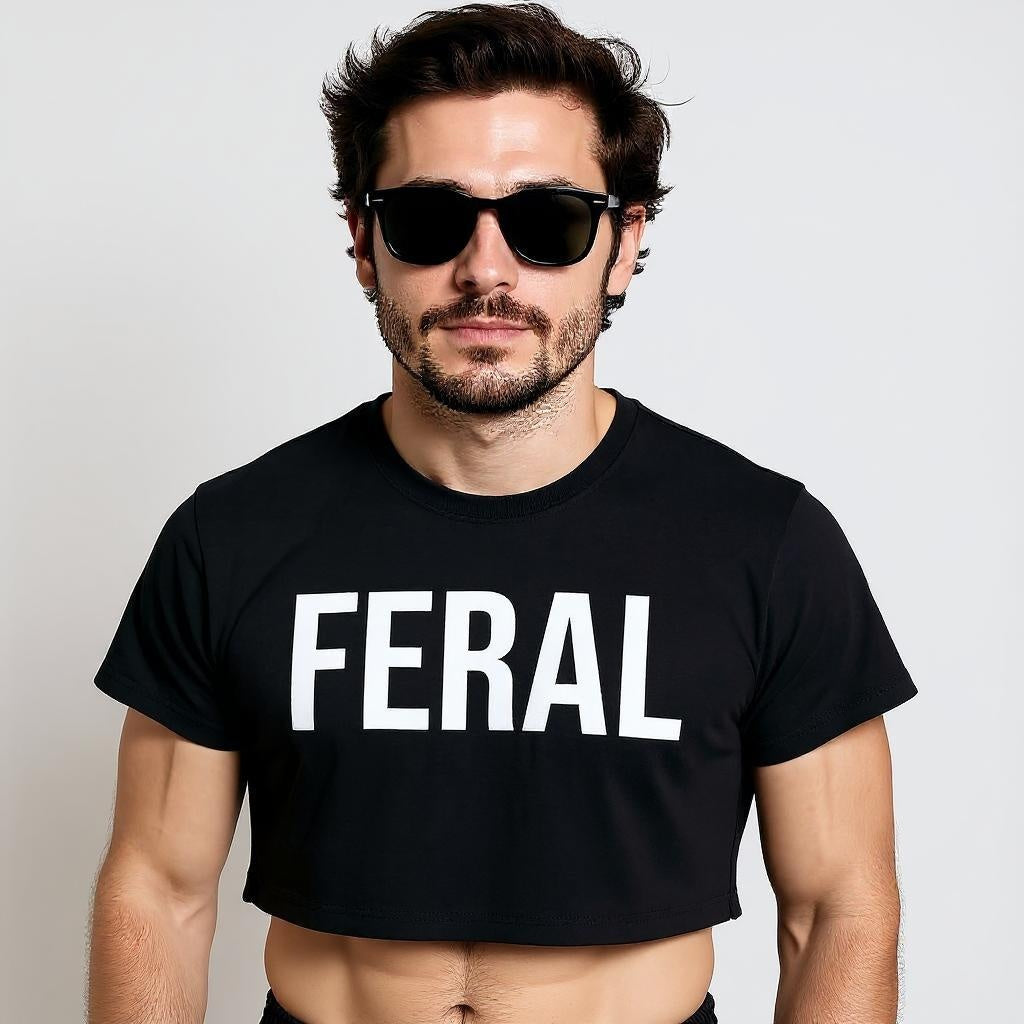
Speaking of merch that sparks conversation, The Bayou WeHo's Banned on Grindr Crop Top delivers humor, attitude, and a wink to the lived realities of queer digital dating culture. This cheeky crop celebrates resilience—because sometimes getting blocked is a badge of honor. Perfectly suited for Pride bar crawls, dance nights, or layering under a vintage flannel, it signals community belonging while supporting a queer-owned West Hollywood institution that channels proceeds into inclusive nightlife and LGBTQ+ fashion. When you're hunting streetwear that funds real queer spaces, this piece checks every box.
Marketplaces and verified directories
Etsy, Depop, Grailed, and Poshmark host thousands of independent sellers; filter searches with terms like "queer-owned," "LGBTQ+," or "fundraiser." Cross-reference listings against directories such as Everywhere Is Queer or local LGBTQ+ chambers and business alliances. Inspect seller bios for donation callouts, and scan buyer reviews for authenticity signals. Resale platforms also surface vintage Pride tees and deadstock capsules at accessible price points.
Where to buy in person
Independent boutiques and concept stores
Gender-free shops and streetwear boutiques double as community hubs, hosting fundraisers, zine launches, and artist showcases. Engage staff about donation partners, size inclusivity, and upcoming collaborations. These brick-and-mortar spaces curate selections that reflect neighborhood demographics and activist priorities, often stocking micro-labels unavailable online.
Pop-ups, Pride markets, and festivals
Pride vendor fairs, queer night markets, and culture festivals gather dozens of artists under one roof. Look for signage detailing beneficiaries and donation percentages—legitimate vendors proudly display partnership logos and impact summaries. Cash-only booths may complicate receipt-keeping, so photograph signage and request business cards for follow-up online orders.
Thrift, vintage, and upcycling studios
Source blanks and vintage pieces at thrift stores, then elevate them with patches from queer illustrators or embroidery studios. Upcycling ateliers that repurpose deadstock textiles often donate portions of proceeds to local shelters or mutual-aid networks. This approach blends sustainability with hyperlocal economic support, minimizing carbon footprints while maximizing creative expression.
Collabs and limited drops to watch in 2026
Pride capsules and annual initiatives
Seasonal drops typically launch May through June, pairing major-brand infrastructure with named LGBTQ+ organizations. Verify whether donations accrue per item sold or as a fixed campaign total. Scrutinize extended sizing, adaptive features, and repeat partnerships—brands that collaborate with the same nonprofit year over year demonstrate sustained commitment rather than opportunistic allyship.
Artist-led capsules and community merch
Graphic-forward collaborations unite queer illustrators, photographers, and musicians with apparel brands for limited runs. These capsules frequently support hyper-local mutual-aid funds, shelter operations, or community-center programming. Small batch sizes and preorder models ensure minimal waste while generating buzz on Instagram and TikTok.
Local team and musician partnerships
City sports clubs, music venues, and entertainment collectives release Pride merch benefiting regional organizations. Confirm the beneficiary name and campaign timeline before purchasing, as some initiatives cap donations at predetermined thresholds. These partnerships spotlight geographic pride and funnel resources into grassroots advocacy.
How to vet a brand's impact (avoid rainbow-washing)
Donation transparency checklist
Demand clarity on four fronts:
- Clearly named nonprofit beneficiary with a clickable link to its mission page.
- Exact amount or percentage per item, plus disclosure of any total cap.
- Campaign dates and geographic scope of support—national versus regional, U.S.-only versus global.
Year-round advocacy and workplace policies
Investigate LGBTQ+-inclusive benefits, leadership representation, and employee resource groups. Review public stances against anti-LGBTQ+ legislation and political-spending transparency reports. Brands that remain silent on harmful bills or donate to anti-equality politicians reveal misaligned values regardless of June merchandising.
Inclusive sizing, accessibility, and representation
Examine gender-neutral size charts, extended sizing options, and adaptive or sensory-friendly features. Authentic casting in campaigns—beyond token representation—and community credits signal genuine investment. Avoid brands that relegate extended sizes to "special order" or omit them from Pride capsules altogether.
Ethical sourcing and sustainability
Responsible materials, living-wage manufacturing, and repair or take-back programs underscore holistic values. Impact reports and third-party audits, when available, validate claims. In 2026, environmental justice and social justice intertwine; exploitation anywhere contradicts liberation everywhere.
Smart search and discovery tactics
Keywords, hashtags, and social discovery
Deploy search strings like "queer-owned streetwear," "trans-owned apparel," "Pride capsule 2026," or "benefit tee" across Google, Instagram, and TikTok. Hashtags such as #QueerOwned, #TransOwned, #GenderFree, #Streetwear, and #PrideDrop surface emerging labels and time-sensitive drops. Follow geo-tags for local vendors and pop-up announcements.
Newsletters, Discords, and drop calendars
Subscribe to brand and nonprofit newsletters for early-access codes and restock alerts. Community Discord servers aggregate legit collaboration tips, counterfeit warnings, and resale leads. Centralized drop calendars on streetwear blogs compile release dates, pricing, and beneficiary details in one digestible format.
Filters, alerts, and global shipping tips
Use marketplace filters—price range, seller location, item condition—to refine results. Set saved searches and price-drop alerts on platforms like Grailed and Poshmark. Before international purchases, calculate shipping costs, customs duties, and return logistics to avoid sticker shock at checkout.
Budget and styling playbook
Under-$30 picks and thrift hacks
Nonprofit tees, enamel pins, patches, and sticker packs deliver funding at accessible price points. Thrift blanks paired with locally screen-printed designs from queer artists yield one-of-a-kind pieces without premium markups. Host clothing swaps with fundraiser entry fees to refresh wardrobes collectively.
Mid-range indie standouts
Hoodies, caps, and cargo pants from queer-led labels with transparent impact pages typically land between $50 and $150. Bundle deals or past-season sales stretch budgets—sign up for email lists to catch flash promotions. Prioritize versatile staples over trendy pieces to maximize cost-per-wear.
Premium designer pieces worth the splurge
Statement bags, outerwear, or footwear from queer-led designers command higher prices but offer limited-run exclusivity and superior craftsmanship. Justify splurges by confirming clear donation structures or community partnerships—your investment should echo beyond aesthetics into tangible advocacy.
DIY customizations with queer artists
Commission patches, embroidery, or screen prints from local queer creatives to personalize thrifted finds. Host customization nights that double as fundraisers, pooling resources for materials while socializing. This model nurtures artist economies and yields garments imbued with collaborative energy.
2026 trends shaping LGBTQ+ streetwear
Genderless silhouettes and fit innovation
Relaxed, modular fits and convertible pieces—detachable sleeves, adjustable waistbands—serve multiple body types without gendered categorization. Brands publish body-measurement-based size charts instead of S/M/L approximations, empowering shoppers to select fits confidently.
Upcycling, deadstock, and circularity
Capsules constructed from reclaimed textiles and on-demand production minimize waste. Repair services, resale integrations, and rental models embed circularity into brand ecosystems. This shift mirrors broader sustainability mandates while reducing environmental harm.
Mutual-aid drops and on-demand production
Short-run preorders fund urgent community needs—medical bills, bail funds, emergency housing—with impact updates shared post-campaign. This agile model bypasses traditional retail timelines, channeling resources exactly when and where required.
Tech for transparency
NFC tags and QR codes embedded in garments link to impact ledgers, supplier information, and care or repair guides. Digital receipts itemize donation shares, transforming purchases into auditable contributions. Blockchain experiments track provenance, though adoption remains nascent.
Fit, sizing, and returns for inclusive shopping
Interpreting gender-neutral size charts
Measure chest, waist, hip, and inseam with a flexible tape measure; compare against garment measurements listed on product pages. Note fit descriptors—oversized, cropped, relaxed—which vary by item even within a single brand. When in doubt, email customer support with your measurements for personalized guidance.
Virtual try-ons and fit notes
Augmented-reality try-on tools and customer photo galleries offer visual references. Read reviews from shoppers listing similar measurements and body types. Some brands crowdsource fit feedback, aggregating data to refine future sizing.
Return policies on charity collabs
Benefit items may carry final-sale restrictions to preserve donation integrity. Confirm return and exchange policies before checkout, and ask whether size swaps still trigger donations. Transparent brands clarify these terms upfront to prevent post-purchase confusion.
FAQs
Are Pride collections only available in June?
Many launch May through June, yet year-round collaborations and evergreen benefit items persist. Queer-owned brands often maintain ongoing charity lines independent of Pride seasonality.
Is buying Pride merch or donating directly better?
Direct donations maximize impact by eliminating production and retail margins. Merch purchases help when donation terms are transparent and you seek wearable advocacy or gift options.
How can I confirm a brand is queer-owned?
Review founder bios, consult business directories like Everywhere Is Queer, and verify through credible press coverage. Contact customer support for ownership clarification if details remain opaque.
Do all Pride purchases send money to nonprofits?
No—seek named beneficiaries and exact donation amounts. Vague "proceeds" claims often mask minimal contributions or lack binding commitments.
What if my size is sold out—will restocks still benefit causes?
Impact varies by campaign structure. Verify whether restock sales remain eligible and whether initial donation caps were already met during the first run.
Keep these sources on your radar
Nonprofits and coalitions with official merch
Monitor The Trevor Project, GLSEN, HRC, Stonewall (UK), and GLAAD shops for new drops and transparent impact reporting. These organizations publish annual financials detailing how merch revenue fuels programming.
Media that surface legit LGBTQ+ streetwear
Follow them., Out, Dazed, and Hypebeast's Pride coverage for curated roundups and brand spotlights. Independent newsletters highlighting queer-owned labels offer deep dives unavailable in mainstream outlets.
Community hubs and directories
Bookmark Everywhere Is Queer's interactive map, local LGBTQ+ business alliances, and community-center event calendars. These resources aggregate pop-ups, zine fests, and vendor markets where discovery happens organically.
Wrap-up: Shop with impact, style, and intention
Turn purchases into sustained support
Prioritize queer-owned labels, transparent donation structures, and year-round advocacy when building your streetwear rotation. Blend nonprofit merch, indie drops, and vintage customs to cultivate a wardrobe that reflects both aesthetic vision and ethical commitments. Every purchase decision becomes a vote—for visibility, for```html accountability, and for the communities that streetwear culture has always celebrated yet too often commodified without reciprocity.
In West Hollywood and beyond, spaces like The Bayou WeHo exemplify this ethos—queer-owned, community-driven, and unapologetically authentic. Whether you're grabbing a crop top that funds local nightlife or thrifting vintage denim to customize with patches from trans artists, your choices compound. Fashion becomes more than fabric; it transforms into infrastructure, solidarity, and a tangible rejection of rainbow-washing. As 2026 unfolds, let your streetwear purchases echo your values, support queer creators at every scale, and build the liberated future our communities deserve.