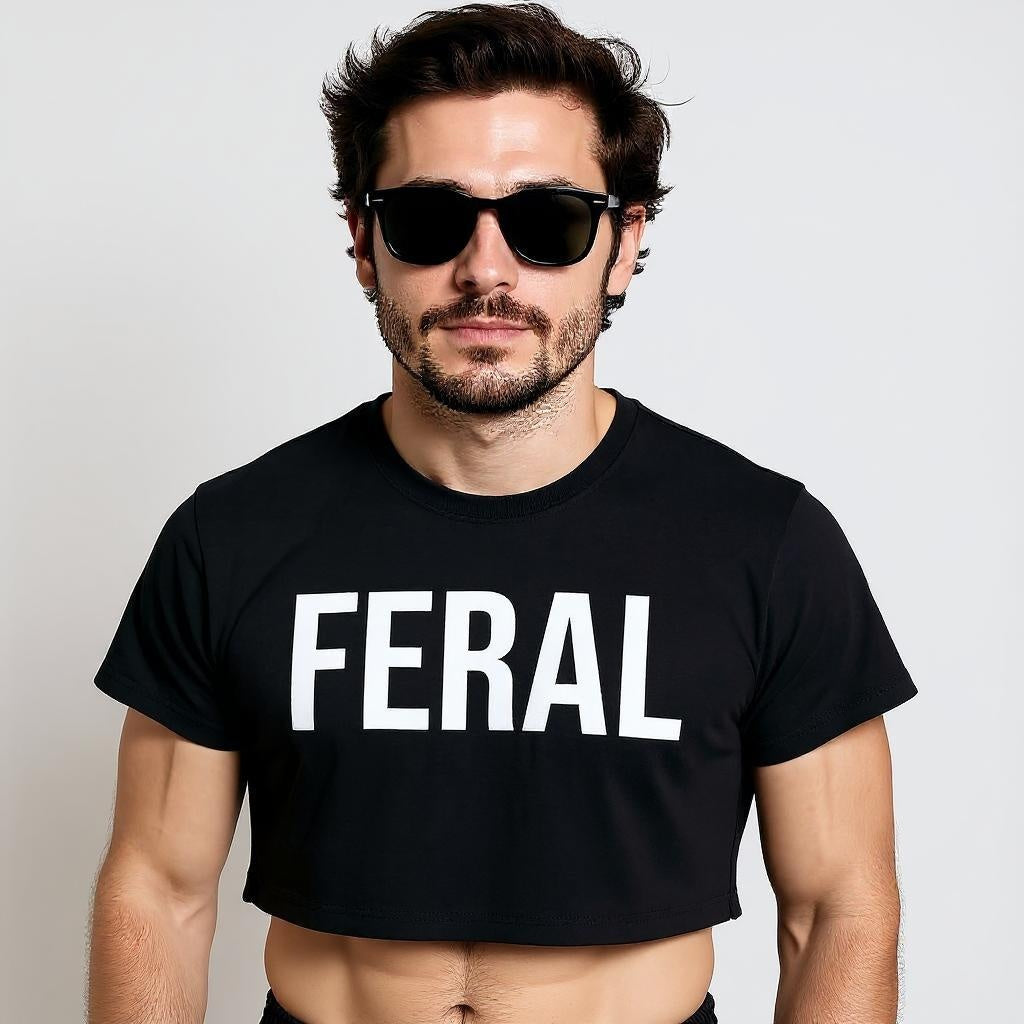


Statement Crewnecks Every Trans Ally Needs This Season
bayou wehoWhy Statement Crewnecks Matter in Allyship This Season
Visibility, validation, and everyday advocacy
When you sport a trans ally crewneck sweatshirt, you're doing more than making a fashion choice—you're broadcasting a signal of safety. Visible statements on your clothing reduce ambient stigma by normalizing support in grocery aisles, coffee shops, and subway cars where trans people navigate daily microaggressions. A crewneck that reads "Trans Rights Are Human Rights" or "Protect Trans Kids" telegraphs to strangers: You're seen, you're valued, and you belong.
Authentic allyship thrives on consistency, not calendar events. Pride Month pins gather dust eleven months a year, but a well-made sweatshirt becomes a wardrobe staple you reach for in October rain and January frost. Everyday advocacy means wearing your values when no parade is scheduled, when no camera is rolling—because trans people exist year-round and deserve year-round solidarity.
Beyond slogans: choosing messages that center trans people
Not all statements carry equal weight. Language that prioritizes protection, dignity, and material support outperforms vague platitudes. "Love is love" feels safe but sidesteps the urgent legislative battles over healthcare access, bathroom bans, and youth autonomy. A trans ally crewneck sweatshirt worth purchasing speaks plainly: it names trans people, affirms their rights, and doesn't hide behind euphemism.
Impact-first phrasing cuts through brand-centric noise. If a slogan centers the company's mission statement more than the community it claims to uplift, walk away. The best designs let trans voices lead—often co-created with trans artists or activists—and funnel proceeds to mutual-aid networks, legal defense funds, or housing initiatives rather than corporate coffers.
Seasonal context: fabrics, colors, and fits you'll actually wear
A statement crewneck only works if you actually wear it. Weather-ready weights matter: midweight French terry (280–320 GSM) layers beautifully under denim jackets for mild West Hollywood evenings, while heavyweight brushed fleece (330–380 GSM) battles January chill without bulk. Muted palettes—charcoal, forest, brick—ground bold typography; neon shades can wash out text under streetlights or camera flash.
Legibility isn't trivial. High-contrast colorways ensure your message reads across a crowded room or in a quick Instagram scroll. Choose fits that flatter your frame so the crewneck becomes a go-to, not a guilt purchase buried in your closet. As you evaluate options, keep these criteria in mind: fabric integrity, inclusive sizing, durable printing, and transparent ethics—all benchmarks we'll unpack in the next section.
What to Look For in a Trans Ally Crewneck Sweatshirt
Fabric and feel: comfort that lasts
Weight dictates versatility. Midweight fleece (280–320 GSM) breathes well during happy-hour rounds at The Bayou WeHo, letting you layer under a bomber or wear solo when the night heats up on the dance floor. Heavyweight options (330–380 GSM) cocoon you during late-night crawfish boils on the patio but may overwhelm petite frames.
Materials matter beyond warmth. Cotton/recycled polyester blends wick moisture and resist pilling; organic-cotton French terry offers a refined drape; brushed fleece delivers plush softness against skin. Construction details—rib-knit cuffs that retain elasticity after fifty washes, coverstitched seams that lie flat, pre-shrunk finishes that honor size charts—separate keepsakes from landfill fodder.
Fit and inclusive sizing
True inclusivity extends beyond slapping "unisex" on a label. Gender-inclusive pattern blocks account for varied chest depths, shoulder widths, and torso lengths without defaulting to men's athletic cuts. Measure across the chest at armpit level, shoulder seam to shoulder seam, and nape to hem; compare those numbers to published size charts that list measurements in inches or centimeters, not abstract S–M–L.
Seek brands offering 5XL–6XL ranges, petite and tall lengths, and adaptive features like magnetic closures or stretch panels. A genuinely inclusive trans ally crewneck sweatshirt fits the bodies of the allies and the community members standing beside them.
Print and embroidery durability
Water-based inks absorb into fibers, yielding a soft hand and eco-friendly profile but sometimes fade faster under harsh detergent. Plastisol inks sit atop fabric, delivering vibrant, long-lasting color yet can crack if over-dried. Screen printing excels for bold, limited-palette designs; direct-to-film (DTF) handles gradients; direct-to-garment (DTG) suits photo-realism but may ghost on dark fabrics.
Embroidery adds texture and heirloom appeal. Check backing comfort—scratchy stabilizers irritate sensitive skin. Puff embroidery lends dimension; chain-stitch offers vintage flair. Snag resistance depends on thread density and stitch type; denser fills withstand backpack straps and cat claws.
Ethical production and brand transparency
"Clear donation percentages, named beneficiaries, and proof of disbursement distinguish genuine advocacy from performative gestures."
Demand specifics: "We donate 15% of net proceeds quarterly to the Transgender Law Center" beats "a portion goes to charity." LGBTQ+-owned status, living-wage certifications (Fair Trade, SA8000), and supplier disclosures signal accountability. If a brand obscures its supply chain or donation mechanics, assume opacity hides exploitation.
Protect the Dolls: A Statement Piece That Leads With Action
If you're searching for a trans ally crewneck sweatshirt that marries bold messaging with ethical production, consider The Bayou WeHo's "Protect the Dolls" shirt. This design centers trans safety with unflinching clarity—no watered-down slogans, no corporate hedging. The phrase "Protect the Dolls" resonates within queer vernacular, honoring the playful yet fierce language our community uses to affirm one another while calling allies to active guardianship.
Crafted for everyday wear, this piece bridges comfort and conviction. Whether you're grabbing BOGO cocktails on Taco Tuesday or catching a Saturday drag show, the "Protect the Dolls" shirt keeps your values visible without sacrificing style. A portion of proceeds supports local LGBTQIA+ initiatives, ensuring your purchase funds tangible community care—not abstract goodwill.
Pair it with high-waisted denim and boots for a look that transitions seamlessly from brunch in West Hollywood to late-night karaoke. It's allyship you can wear, wash, and rely on season after season.
Messaging That Respects and Uplifts Trans Communities
High-impact phrases that pass the allyship check
Effective messaging names what it protects. "Protect Trans Kids" specifies vulnerable populations under legislative assault. "Trans Rights Are Human Rights" frames the issue as universal dignity, not niche politics. "I Stand With My Trans Siblings" personalizes solidarity without centering the ally's virtue.
Legibility amplifies impact. Short lines in sans-serif fonts—think Futura Bold or Helvetica—read clearly from across a room. High-contrast pairings (white on black, yellow on navy) survive dim bar lighting and smartphone cameras. Avoid script fonts that blur into decorative noise.
Symbols and flags: accurate, respectful use
The Trans Pride flag features five horizontal stripes: light blue, light pink, white, light pink, light blue. Proportion matters—equal-width bands, no gradients or artistic "interpretations" that distort Monica Helms's original design. Respect the symbolism: blue for boys, pink for girls, white for nonbinary and transitioning individuals.
Combining flags (trans, bisexual, progress) can celebrate intersectionality—but cluttered designs muddle the message. If your crewneck champions trans allyship specifically, let that flag dominate. Save mashups for coalition events where multiple identities share equal billing.
What to avoid
Tokenism creeps in when designs treat trans people as props. Phrases like "Some of my best friends are trans" center the ally's proximity, not the community's humanity. Depersonalizing language—"transgenders," "transsexuals" used as nouns—signals outdated framing. Forced-outing risks emerge when crewnecks prompt invasive questions; context and consent matter.
Ambiguous "both-sides" framing undermines rights. Messaging that nods to "differing opinions" on trans existence isn't allyship—it's cowardice dressed as civility. A trans ally crewneck sweatshirt takes a stand, not a survey.