

Pride Merch That Actually Supports LGBTQ+ Businesses
bayou wehoPride Merch That Actually Supports LGBTQ+ Businesses: Buy With Impact
Every June, rainbow merchandise floods the market like a kaleidoscopic tsunami. But here's the uncomfortable truth: most of those Pride products won't put a single dollar into LGBTQ+ pockets. While corporate giants capitalize on our visibility, authentic queer creators struggle to compete with mass-produced rainbow capitalism.
The difference between performative merchandising and genuine community support isn't always obvious at first glance. Yet when you know what to look for, distinguishing authentic LGBTQ merchandise from local business versus corporate opportunism becomes surprisingly straightforward.
Why choosing real community-made Pride gear matters
When you purchase from genuinely LGBTQ+-owned enterprises, your money circulates within our community ecosystem. These business owners understand our struggles intimately—they've navigated discrimination, fought for visibility, and created spaces where authenticity thrives. Their designs reflect lived experiences rather than focus-group interpretations of queerness.
Community-made merchandise often features nuanced references, insider humor, and artistic perspectives that mass retailers simply cannot replicate. More importantly, these purchases fund rent, groceries, healthcare, and dreams of queer entrepreneurs who reinvest profits back into our neighborhoods.
The problem with rainbow-washing and one-month-only collections
"Rainbow-washing allows corporations to appear LGBTQ+-friendly while contributing nothing meaningful to our community's economic empowerment or long-term wellbeing."
Major retailers deploy rainbow aesthetics as marketing veneer, often producing merchandise in countries where LGBTQ+ individuals face persecution. These companies frequently donate minimal percentages to established nonprofits while pocketing substantial profits. Worse yet, many abandon LGBTQ+ messaging entirely once Pride Month concludes, revealing their commitment's superficial nature.
What this guide covers and how to use it
This comprehensive resource equips you with practical verification techniques, shopping strategies, and community-building approaches. You'll discover reliable directories, learn red-flag identification, and explore year-round support mechanisms that extend far beyond June purchases.
Whether you're seeking statement tees, artistic home décor, or distinctive accessories, this guide ensures your Pride purchases create meaningful impact within LGBTQ+ business networks.
What "Authentic LGBTQ+ Merchandise" Really Means
Authenticity in queer commerce extends beyond rainbow imagery or Pride slogans. It encompasses ownership structure, profit distribution, community involvement, and sustained advocacy throughout calendar years. Understanding these distinctions helps consumers make informed purchasing decisions that align with their values.
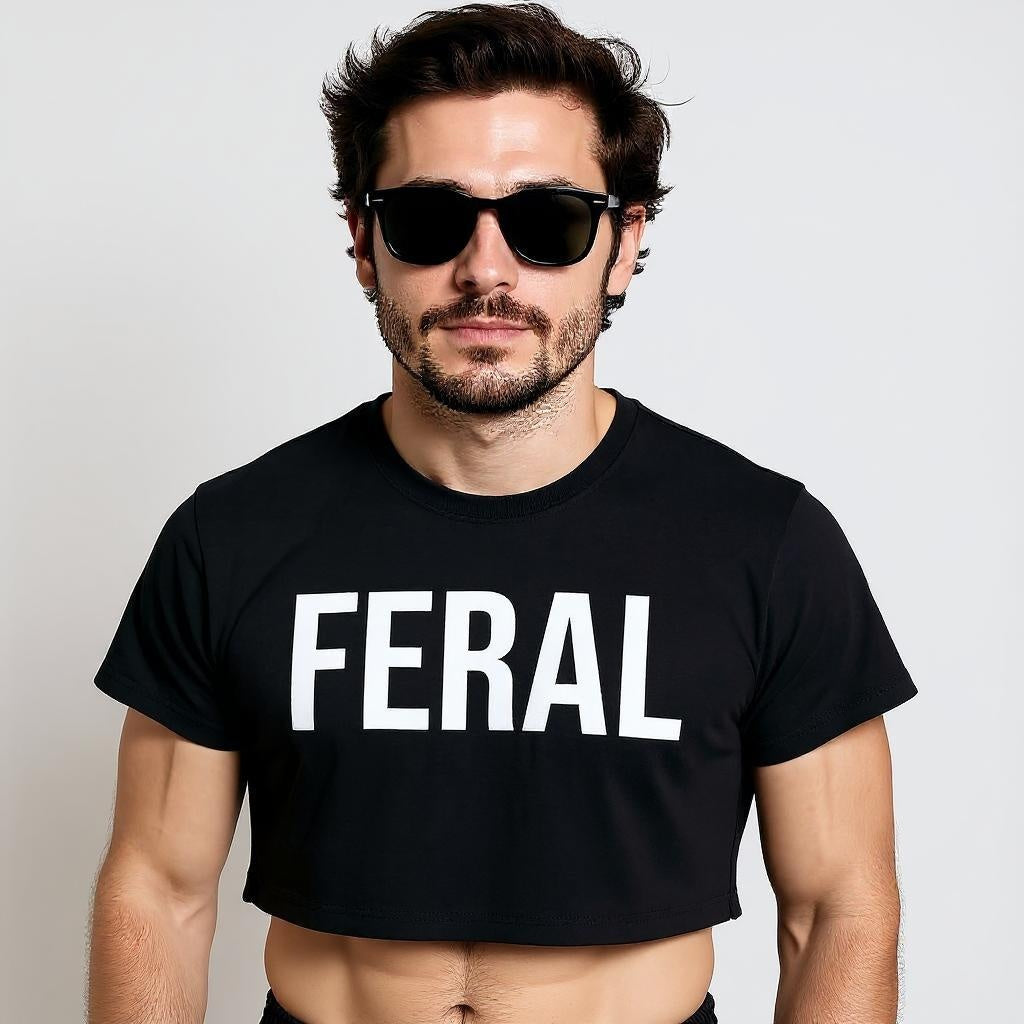
At venues like The Bayou WeHo, our LGBTQ+ apparel collection represents genuine community investment—designed by queer creators, sold by queer-owned establishments, and profits supporting ongoing LGBTQ+ initiatives year-round.
Owned vs. allied vs. licensed: who profits, who decides, who's visible
LGBTQ+-owned businesses feature queer individuals in ownership, leadership, or founding positions. These enterprises make autonomous decisions about messaging, charitable partnerships, and community involvement. Profits directly benefit LGBTQ+ households and typically circulate within queer economic networks.
Allied businesses demonstrate consistent LGBTQ+ support through donations, inclusive policies, and sustained advocacy beyond Pride Month. While not owned by community members, they often maintain transparent relationships with local LGBTQ+ organizations and demonstrate measurable impact.
Licensed merchandise represents the most problematic category—corporations paying minimal fees to use LGBTQ+ imagery or phrases while retaining majority profits. These arrangements rarely benefit original creators or community initiatives meaningfully.
Verification signals: certifications, About pages, leadership bios, press
Legitimate LGBTQ+-owned businesses proudly showcase their community connections through detailed About pages featuring founder stories, team photographs, and personal narratives. Look for specific certifications from organizations like the National LGBT Chamber of Commerce or local queer business associations.
Leadership bios often reveal authentic community involvement—board positions with LGBTQ+ nonprofits, speaking engagements at Pride events, or mentions in queer media outlets. These details demonstrate sustained engagement rather than opportunistic involvement.
Press coverage in LGBTQ+ publications, local news features highlighting community impact, or testimonials from recognized queer advocates provide additional verification layers. Authentic businesses accumulate this social proof organically through consistent community participation.
Transparency markers: pricing, donations, production details, year-round support
Transparent enterprises openly discuss their pricing structures, explaining why ethical production costs more than mass-market alternatives. They specify donation percentages, recipient organizations, and contribution timelines without vague "proceeds benefit" language.
Production transparency includes supplier information, manufacturing locations, and labor practices. Many authentic LGBTQ+ businesses prioritize domestic production, fair wages, or partnerships with other marginalized communities.
Year-round support manifests through consistent social media advocacy, ongoing charitable contributions, and Pride merchandise availability beyond June. These businesses treat LGBTQ+ rights as core values rather than seasonal marketing opportunities.
How to Vet a Seller Before You Buy
Due diligence protects consumers from inadvertently supporting rainbow-washing while ensuring purchases reach intended recipients. Effective vetting combines digital research, community verification, and direct communication to establish seller authenticity and community commitment.
This investigative process might seem extensive initially, but experienced supporters develop efficient verification routines that quickly distinguish genuine LGBTQ+ enterprises from opportunistic imposters.
Authentic LGBTQ merchandise: local business checklist
- Verify LGBTQ+ ownership through About pages, founder bios, or certification displays
- Confirm local business registration and physical address when applicable
- Review social media presence for consistent LGBTQ+ advocacy and community engagement
- Examine customer reviews mentioning community involvement or authentic experiences
- Check donation transparency—specific percentages, recipient organizations, contribution schedules
- Assess product availability throughout the year, not exclusively during Pride Month
- Evaluate pricing alignment with ethical production and fair wage practices
Research tactics: directories, social proof, domain/LLC checks, event presence
Start your investigation with verified directories like the National LGBT Chamber of Commerce, local Pride center business listings, or regional queer commerce platforms. These curated resources pre-screen members for authenticity and community involvement.
Social proof emerges through customer testimonials, influencer endorsements from recognized LGBTQ+ advocates, and collaborative partnerships with established community organizations. Examine comment sections, tagged posts, and shared content for genuine engagement patterns.
Domain registration information and LLC filings provide additional verification layers. Many authentic businesses register domains matching their stated locations and maintain consistent branding across platforms. Event presence at local Pride festivals, queer markets, or community fundraisers demonstrates tangible neighborhood involvement.
Red flags: vague "proceeds," generic designs, limited sizes, June-only activity
| Warning Sign | What It Reveals | Better Alternative |
|---|---|---|
| Vague donation language | Minimal charitable commitment | Specific percentages and recipients |
| Generic rainbow designs | Mass-produced merchandise | Original artwork with creator credits |
| Limited size ranges | Exclusionary practices | Inclusive sizing options |
| June-only availability | Performative engagement | Year-round product offerings |
Suspicion should arise when businesses cannot provide concrete details about their LGBTQ+ connections, community involvement, or charitable contributions. Generic stock photography, absence of founder information, or reluctance to engage in community discussions often indicate opportunistic rather than authentic operations.
Where to Find LGBTQ+-Owned and Local Businesses
Discovering authentic queer enterprises requires strategic exploration across multiple channels—from established directories to grassroots community networks. The most remarkable finds often emerge through personal recommendations, local event participation, and neighborhood exploration rather than conventional advertising.
Verified directories and chambers of commerce to start your search
The National LGBT Chamber of Commerce maintains comprehensive member databases with verification badges and detailed business profiles. Local LGBTQ+ chambers often provide more granular neighborhood recommendations and emerging business spotlights.
Pride center websites frequently feature community business directories, highlighting enterprises that actively support local initiatives. These resources typically undergo regular updates and authenticity verification processes.
Professional associations like Queer Business Network or regional LGBTQ+ entrepreneur groups offer additional discovery pathways with built-in community accountability mechanisms.
Neighborhood leads: craft markets, queer pop-ups, community centers, bookstores
Physical exploration yields extraordinary discoveries that online searches cannot replicate. Queer pop-up markets, often hosted at community centers or LGBTQ+-friendly venues, showcase emerging designers and artisans who haven't yet established major online presences.
Independent bookstores in LGBTQ+ neighborhoods frequently carry locally-produced merchandise, zines, and artistic collaborations. These curated selections reflect community taste and often feature exclusive items unavailable elsewhere.
Community centers maintain bulletin boards advertising local queer entrepreneurs, upcoming craft fairs, and collaborative projects seeking support. These grassroots connections foster relationships that extend beyond single transactions.
Online marketplaces and social platforms: filters, tags, and DM etiquette
Etsy's advanced filtering enables searches for LGBTQ+-owned shops, handmade items, and location-specific results. Instagram hashtags like #QueerOwned, #LGBTQBusiness, or city-specific tags reveal local entrepreneurs sharing their creative processes and community involvement.
TikTok's algorithm often surfaces queer creators discussing their businesses organically through storytelling content. These authentic presentations provide insights into business philosophies and community connections that traditional marketing cannot convey.
When direct messaging businesses, respectful inquiry demonstrates genuine interest while avoiding intrusive questioning. Simple messages like "I love supporting LGBTQ+ businesses—could you share your story?" typically receive enthusiastic responses from authentic entrepreneurs.
Pride Merch Ideas That Make a Real Difference
Impactful Pride purchases extend far beyond basic rainbow apparel to encompass artistic expression, functional items, and collaborative projects that strengthen community bonds. The most meaningful merchandise tells stories, sparks conversations, and creates lasting connections between creators and supporters.
Wearables with purpose: tees, pins, and patches that credit creators
Statement apparel designed by LGBTQ+ artists often incorporates subtle references, historical imagery, or intersectional messaging that resonates deeply within community contexts. These pieces function as conversation starters and identity affirmations simultaneously.
Enamel pins featuring original artwork, protest slogans, or pride flag variations support independent designers while offering affordable entry points for new supporters. Pin collecting creates ongoing relationships with multiple creators across diverse artistic styles.
Embroidered patches allow personal customization of existing garments, extending clothing lifecycles while supporting textile artists specializing in queer themes and imagery.
Art, zines, and home goods from local makers and mutual-aid collabs
Original artwork purchases directly support LGBTQ+ artists while adding authentic community representation to personal spaces. Limited edition prints, photography, or digital downloads provide various price points for different budgets.
Zines represent quintessential queer cultural expression—photocopied publications featuring poetry, essays, comics, and community announcements. These intimate creations preserve grassroots voices often excluded from mainstream media.
Home goods like candles, pottery, or textiles transform living spaces into sanctuaries celebrating queer identity and supporting local artisans simultaneously.
Beauty and wellness from queer-owned brands; custom or made-to-order options
Queer-owned beauty brands often prioritize inclusive shade ranges, gender-neutral packaging, and cruelty-free formulations that reflect community values. These enterprises frequently donate proceeds to LGBTQ+ healthcare initiatives or transgender support organizations.
Wellness products like bath bombs, aromatherapy blends, or skincare lines created by queer entrepreneurs provide self-care opportunities while supporting community economic development. Many brands offer seasonal collections or limited editions tied to Pride celebrations.
Custom or made-to-order options ensure perfect fit, personalized messaging, and reduced overproduction waste. These bespoke services support artisans while creating unique pieces that cannot be replicated by mass retailers.
Budget, Quality, and Sustainability
Ethical consumption requires understanding the true costs of authentic production, fair wages, and sustainable practices. While LGBTQ+-owned merchandise often carries higher price points than mass-market alternatives, these investments support living wages and community reinvestment that benefit our entire ecosystem.
Why small-batch costs more—and how that supports living wages
Small-batch production eliminates exploitative labor practices common in fast fashion while ensuring creators receive fair compensation for their artistic contributions. Limited quantities often utilize premium materials and meticulous craftsmanship that justify higher investment costs.
Independent producers cannot achieve economies of scale that major manufacturers leverage, but their pricing reflects genuine production expenses rather than maximized profit margins. These businesses prioritize sustainability and worker welfare over shareholder returns.
Higher prices enable LGBTQ+ entrepreneurs to pay themselves living wages, invest in business growth, and contribute meaningfully to community initiatives throughout the year.
Care and repair tips to extend product life and reduce waste
Proper garment care significantly extends merchandise lifespan while reducing environmental impact. Cold water washing, air drying, and inside-out laundering preserve fabric integrity and graphic applications.
Many LGBTQ+ businesses provide detailed care instructions, repair recommendations, or even alteration services to maximize product longevity. These relationships foster ongoing connections between creators and customers.
Learning basic mending techniques—patch application, button replacement, or seam repair—transforms damaged items into personalized pieces while reducing consumption needs.
Low-cost support: digital downloads, tips, subscriptions, sliding-scale items
Digital merchandise like wallpapers, stickers, or printable art provides affordable support options while eliminating shipping costs and environmental impact. These purchases offer immediate gratification and unlimited reproduction rights.
Many creators accept tips through platforms like Ko-fi, Venmo, or PayPal, allowing supporters to contribute according to their financial capacity. Subscription services provide predictable income for entrepreneurs while offering exclusive content to supporters.
Sliding-scale pricing acknowledges economic diversity within LGBTQ+ communities, ensuring access regardless of financial circumstances while maintaining business sustainability.
Shop Local, Shop Responsibly
Responsible consumption encompasses environmental consciousness, ethical sourcing, and community-centered purchasing decisions that minimize harm while maximizing positive impact. Local shopping reduces transportation emissions while strengthening neighborhood economic networks that benefit everyone.
Lowering your footprint: choose local pickup and regional shipping
Local pickup eliminates shipping emissions entirely while creating opportunities for face-to-face connections with business owners. Many LGBTQ+ entrepreneurs welcome customer visits, offering behind-the-scenes glimpses into their creative processes.
Regional shipping minimizes transportation distances and often utilizes more sustainable packaging materials. Some businesses offer consolidated shipping for multiple orders, further reducing environmental impact while encouraging community group purchases.
Carbon-offset shipping options, though slightly more expensive, demonstrate environmental commitment while supporting reforestation or renewable energy projects that benefit global communities.
Ethical sourcing, inclusive sizing, and accessible product design
Ethical sourcing encompasses fair labor practices, sustainable materials, and transparent supply chains that align with LGBTQ+ values of justice and equality. Many queer businesses prioritize domestic production or partnerships with certified ethical manufacturers.
Inclusive sizing acknowledges body diversity within LGBTQ+ communities, offering extended size ranges that accommodate various body types and presentations. These practices demonstrate genuine community understanding rather than tokenistic inclusion.
Accessible design considerations include easy-to-manipulate closures, sensory-friendly fabrics, and adaptive features that serve disabled community members. These thoughtful details reflect comprehensive inclusivity values.
Seasonal planning: pre-orders to avoid overproduction and sellouts
Pre-order systems allow small businesses to gauge demand accurately while avoiding overproduction waste or disappointing sellouts. These models require customer patience but result in more sustainable business practices.
Planning purchases ahead of major events—Pride Month, holiday seasons, or special occasions—ensures availability while supporting businesses' cash flow during production periods. Early orders often receive discounts or exclusive design access.
Seasonal collections tied to community events, awareness campaigns, or cultural celebrations provide ongoing engagement opportunities beyond traditional Pride merchandise cycles.
Safety, Privacy, and Discretion
Not everyone can safely display LGBTQ+ merchandise openly, and responsible businesses recognize these safety concerns through discrete shipping options, privacy protections, and inclusive communication practices that protect vulnerable community members.
Shipping and billing options if you're not out at home
Alternative shipping addresses—workplace delivery, trusted friends' homes, or postal service pickup locations—protect customers living in unsupportive environments. Many businesses accommodate these requests without requiring detailed explanations.
Discrete billing descriptors prevent unwanted questions from family members, roommates, or partners who might not support LGBTQ+ purchases. Professional business names rather than obvious Pride terminology offer additional protection.
Gift card options allow supporters to make purchases for others while maintaining privacy about specific item selections or personal preferences.
Discreet packaging, pickup points, and privacy-first communication
Plain packaging without rainbow imagery or obvious LGBTQ+ branding protects recipients in hostile environments while maintaining product quality and presentation. Many businesses offer discrete packaging as standard practice without additional charges.
Amazon lockers, UPS stores, or postal service pickup points provide secure delivery alternatives for customers unable to receive packages at home safely. These services often operate extended hours, accommodating various work schedules and privacy needs.
Privacy-first communication includes encrypted messaging options, minimal data collection practices, and secure payment processing that protects customer information from potential discrimination or harassment.
Community etiquette: respectful language and safeguarding maker identities
Respectful communication acknowledges that not all LGBTQ+ entrepreneurs are publicly out or comfortable with extensive personal sharing. Avoid pressuring businesses to disclose private information about their identities, relationships, or community involvement levels.
Social media sharing should respect creators' preferences regarding tags, mentions, or detailed business information that might compromise their safety or privacy. Some entrepreneurs prefer indirect promotion rather than explicit identification.
Community accountability includes protecting vulnerable business owners from harassment, supporting them during difficult periods, and amplifying their work through appropriate channels that respect their comfort levels.
Measure Your Impact and Support Year-Round
Authentic community support extends far beyond individual purchases to encompass sustained advocacy, relationship building, and long-term investment in LGBTQ+ economic empowerment. Measuring impact helps supporters understand their contributions' effectiveness while identifying opportunities for deeper engagement.
Follow the money: ownership, wages, donations, community reinvestment
Transparent businesses readily share information about profit distribution, employee compensation, and community reinvestment strategies. These details demonstrate authentic commitment to economic justice rather than performative gestures.
Wage transparency, benefit offerings, and workplace inclusivity policies reveal businesses' internal values and treatment of LGBTQ+ employees. Companies practicing what they preach deserve prioritized support from conscious consumers.
Community reinvestment manifests through local hiring, supplier partnerships with other LGBTQ+ businesses, and ongoing charitable contributions that strengthen neighborhood economic networks.
Amplify effectively: reviews, creator credits, responsible sharing
Detailed reviews highlighting specific products, customer service experiences, and community impact help other supporters make informed decisions while boosting businesses' online visibility and credibility.
Creator credits in social media posts, blog features, or personal recommendations ensure artists receive proper attribution while expanding their potential customer base through authentic word-of-mouth marketing.
Responsible sharing includes accurate business information, current pricing, and appropriate context that helps potential customers understand what makes each enterprise special within the broader LGBTQ+ business ecosystem.
Long-term support: memberships, Patreon, mutual aid, recurring purchases
Subscription models, membership programs, or Patreon contributions provide predictable income streams that enable businesses to plan growth, invest in new products, and weather economic uncertainties that disproportionately affect LGBTQ+ entrepreneurs.
Recurring purchases—monthly subscriptions, quarterly shipments, or annual membership renewals—demonstrate sustained commitment while often providing cost savings and exclusive access to new releases or limited editions.
Mutual aid participation during emergencies, economic hardships, or discriminatory incidents shows community solidarity beyond transactional relationships, creating networks of support that benefit everyone involved.
Quick Start: 10-Minute Action Plan
Immediate action beats prolonged deliberation when supporting LGBTQ+ businesses. This streamlined approach gets you started today while building sustainable purchasing habits that create lasting community impact. Transform good intentions into tangible support within minutes.
Find three LGBTQ+-owned local shops and follow/subscribe
Begin with your local Pride center's business directory or search Instagram using hashtags like #QueerOwnedBusiness combined with your city name. Spend three minutes identifying businesses that align with your interests—apparel, art, food, or services.
Follow their social media accounts immediately to receive updates about new products, special events, or community initiatives. Enable notifications for businesses you're particularly excited to support, ensuring you won't miss limited releases or time-sensitive offers.
Subscribe to newsletters or text alerts if available, as many small businesses announce exclusive deals or early access opportunities through direct communication channels rather than public social media posts.
Verify ownership and impact statements using the checklist
Spend two minutes reviewing each business's About page, looking for specific founder information, community certifications, or detailed mission statements that demonstrate authentic LGBTQ+ connections and ongoing advocacy efforts.
Check their donation transparency—do they specify percentages, recipient organizations, and contribution schedules? Vague language like "proceeds benefit" should raise immediate questions about their actual community impact.
Examine their social media for consistent year-round LGBTQ+ content rather than June-only Pride posts. Authentic businesses integrate community support into their regular operations rather than treating it as seasonal marketing.
Buy one item or pledge monthly support—and share why you chose them
Make your first purchase within five minutes, choosing something meaningful that supports your identified businesses. Start small if budget is tight—stickers, digital downloads, or tip jar contributions all provide valuable support.
Consider monthly subscription options, Patreon memberships, or recurring purchase commitments that provide predictable income for entrepreneurs while often offering cost savings and exclusive access to new products.
Share your purchase decision publicly, explaining specifically why you chose this business and encouraging others to explore their offerings. Tag the business appropriately and include relevant hashtags to expand their visibility.
FAQs About Authentic LGBTQ+ Merchandise and Local Business Support
Common questions about supporting LGBTQ+ businesses reveal shared concerns about authenticity verification, impact measurement, and effective advocacy strategies. These answers provide practical guidance for navigating complex decisions with confidence.
How can I confirm a shop is truly LGBTQ+-owned without prying?
Legitimate LGBTQ+-owned businesses typically share their community connections proudly through About pages, founder bios, or certification displays. Look for specific details like Pride event participation, LGBTQ+ organization partnerships, or mentions in queer media publications.
Professional certifications from organizations like the National LGBT Chamber of Commerce provide third-party verification without requiring personal questions. Social media presence showing consistent community engagement over time indicates authentic rather than opportunistic involvement.
If information isn't readily available, polite inquiry like "I love supporting LGBTQ+ businesses—could you share your community involvement?" usually receives enthusiastic responses from genuine entrepreneurs.
Do collabs with big retailers help if the designer is queer?
Collaborative arrangements can benefit LGBTQ+ designers by providing broader exposure and larger production budgets, but profit distribution often heavily favors corporate partners rather than creators. Examine specific collaboration terms when available.
Supporting designers' independent work alongside retail collaborations ensures they receive maximum benefit from both arrangements. Many creators use corporate partnerships to fund their independent operations where they maintain creative control and profit retention.
Direct purchases from designers' personal shops or websites typically provide better financial support than purchasing collaborative items through major retailers, even when the same designer created both products.
Is donating to LGBTQ+ nonprofits better than buying Pride merch?
Both approaches serve essential but different functions within LGBTQ+ community support ecosystems. Nonprofit donations fund advocacy, services, and political initiatives, while merchandise purchases support economic empowerment and individual entrepreneurship.
Diversifying support across multiple channels creates comprehensive impact—nonprofit contributions address systemic issues while business purchases build economic independence and community wealth. Many LGBTQ+ businesses also donate portions of profits to nonprofits, amplifying your impact.
Consider your personal budget allocation: perhaps 60% toward direct business purchases and 40% toward nonprofit donations, adjusted based on current community needs and your financial capacity.
Where can I find inclusive sizing and adaptive designs?
Many LGBTQ+-owned businesses prioritize inclusive sizing as core business practice, understanding that body diversity intersects with queer identity. Search specifically for terms like "inclusive sizing," "extended sizes," or "adaptive clothing" when exploring business offerings.
Disability justice organizations often maintain directories of adaptive clothing designers, many of whom identify as LGBTQ+ and create intersection-focused designs. These specialized businesses understand multiple marginalized identity needs simultaneously.
Custom or made-to-order options provide perfect fit guarantees while supporting artisans who accommodate individual requirements that mass retailers typically ignore or inadequately address.
How do I support outside of Pride Month to avoid performative buying?
Year-round support demonstrates authentic commitment rather than seasonal performativity. Schedule regular purchases throughout the calendar year—birthdays, holidays, or personal celebration moments provide natural purchasing opportunities.
Subscription services, membership programs, or quarterly orders create consistent income streams for businesses while spreading your financial commitment across multiple months rather than concentrated June spending.
Engage with businesses' non-Pride content—holiday collections, everyday merchandise, or special collaborations—showing interest in their complete artistic output rather than exclusively LGBTQ+-themed products.
Conclusion: Choose Pride With Purpose
Authentic LGBTQ+ merchandise purchasing transforms consumer spending into community investment, economic empowerment, and sustained advocacy that extends far beyond rainbow aesthetics. Every thoughtful purchase decision strengthens our collective economic foundation while supporting entrepreneurs who understand our struggles intimately.
The difference between performative consumption and purposeful support lies in ongoing relationship building, transparency verification, and year-round engagement that treats LGBTQ+ businesses as essential community infrastructure rather than seasonal novelties.
Final checklist to buy authentically, locally, and impactfully
- Verify LGBTQ+ ownership through About pages, certifications, or community connections
- Confirm transparent donation practices with specific percentages and recipient organizations
- Choose local pickup or regional shipping to minimize environmental impact
- Prioritize inclusive sizing, ethical sourcing, and accessible design practices
- Support businesses year-round through subscriptions, memberships, or recurring purchases
- Share your purchases responsibly with creator credits and authentic recommendations
- Respect privacy needs while amplifying deserving businesses appropriately
- Measure impact through community reinvestment and transparent business practices
- Diversify support across multiple businesses and product categories
- Build lasting relationships that extend beyond transactional interactions
Your purchasing power represents votes for the kind of community you want to build—one where LGBTQ+ entrepreneurs thrive, authentic voices are amplified, and economic justice creates lasting change. Choose Pride with purpose, shop with intention, and invest in our collective future.