

Express Your Pride: Authentic Queer Fashion Finds
bayou weho1. Introduction: Why Authentic Queer-Owned Fashion Matters
1.1 Centering Queer Voices in What We Wear
Fashion has always been a language of resistance, celebration, and identity—especially for the LGBTQIA+ community. When you choose authentic queer-owned fashion brands, you're doing more than updating your wardrobe. You're amplifying voices that have historically been marginalized, silenced, or commodified without compensation. Every stitch, every design choice, every color palette reflects lived experiences that corporate boardrooms simply cannot replicate. Queer designers understand the nuances of our community because they live them daily, transforming fabric into manifestos of visibility and belonging.
1.2 The Difference Between Pride Merch and Queer-Owned Fashion
Walk into any big-box retailer during June, and you'll encounter rainbow-splashed everything—socks, tees, tumblers. But where does that money actually go? Most mainstream "Pride merchandise" originates from corporations with zero queer leadership and questionable records on LGBTQIA+ employment or advocacy. They capitalize on our identities for thirty days, then vanish until next year's marketing cycle. Authentic queer-owned fashion brands, conversely, operate year-round with intentionality, reinvesting profits into community initiatives, employing queer artisans, and crafting garments that genuinely reflect our multifaceted identities rather than reductive stereotypes.
1.3 How Authentic Queer-Owned Fashion Brands Empower Identity and Community
When queer folks design for queer folks, magic happens. These brands understand that a crop top isn't just a crop top—it's armor, self-expression, and reclamation all woven together. They create spaces where trans bodies are centered in sizing, where nonbinary aesthetics aren't afterthoughts, and where intersectional identities are honored rather than erased. Supporting these brands builds economic power within our community, funding everything from transition-related healthcare to protest bail funds. Your clothing choices become acts of solidarity, transforming personal style into collective liberation.
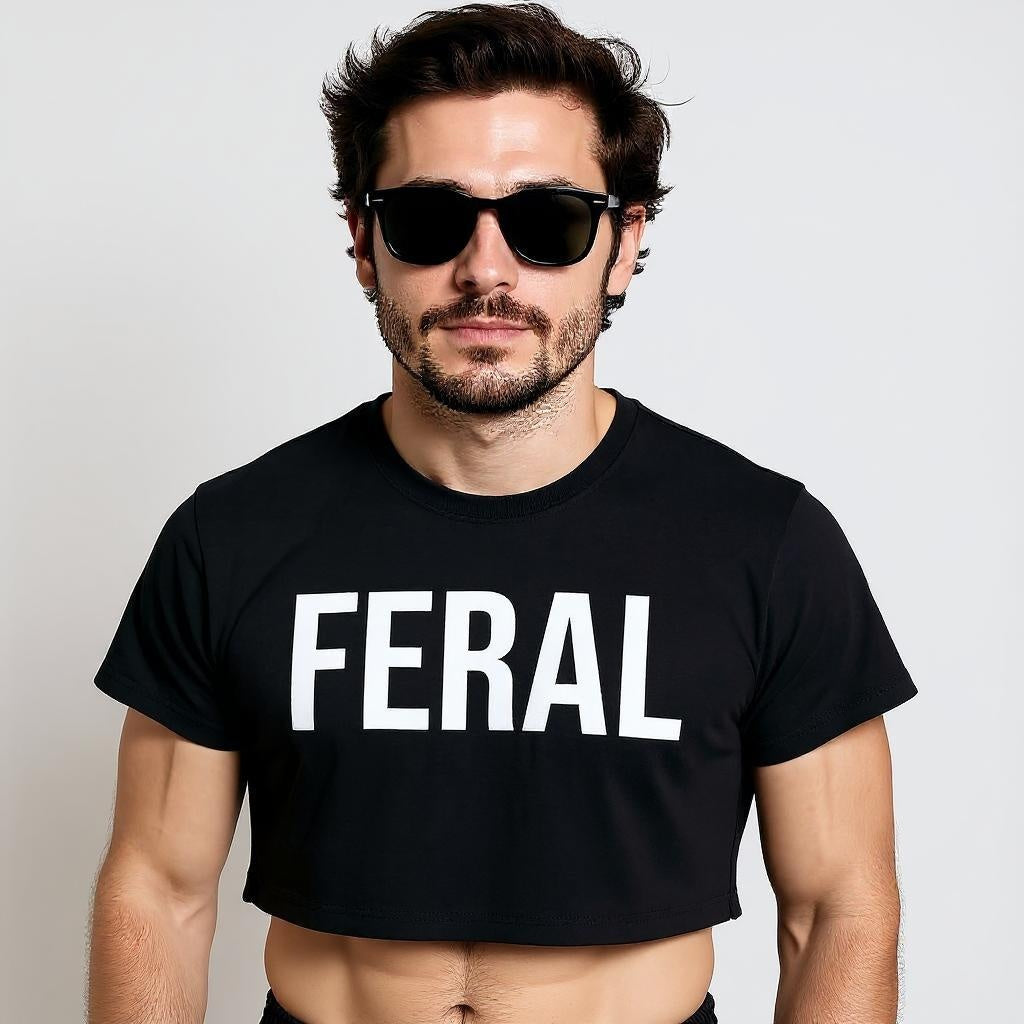
Speaking of empowering pieces, The Bayou WeHo's Brat Crop Top exemplifies how authentic queer fashion merges attitude with identity. This isn't some mass-produced Pride knockoff—it's a statement piece designed by and for our community, perfect for those moments when you want your outfit to do the talking. Whether you're hitting the dance floor or making a statement at brunch, this crop top embodies the unapologetic energy that queer-owned brands bring to fashion.
Beyond individual pieces, exploring curated collections makes discovering authentic queer fashion easier. The Bayou WeHo's LGBTQ+ Apparel Collection showcases exactly what we're talking about—garments designed with queer sensibilities, celebrating our community's diversity and resilience. From everyday essentials to bold statement pieces, this collection solves the common problem of sifting through performative allyship to find genuinely queer-centered fashion.
2. Understanding "Authentic Queer-Owned Fashion Brands"
2.1 What Makes a Brand Truly Queer-Owned and Queer-Led?
Ownership matters profoundly. An authentic queer-owned fashion brand means LGBTQIA+ individuals hold majority ownership stakes and decision-making power. The founders aren't just figureheads or diversity hires—they're steering the creative vision, business strategy, and community engagement. Look for transparency about who profits from your purchases. Queer-led extends beyond ownership to include design teams, marketing directors, and operational staff who bring lived experiences to every aspect of the business.
2.2 Recognizing Performative Allyship vs. Genuine Queer Ownership
Performative allyship wears a rainbow mask while extracting resources from our community. These brands release limited-edition Pride capsules with vague promises to "donate a portion of proceeds" without specifying percentages, recipients, or accountability measures. Genuine queer ownership, however, maintains consistent community engagement throughout all twelve months. They partner with LGBTQIA+ nonprofits, sponsor local queer events, employ community members, and transparently share their impact metrics rather than relying on aesthetic appropriation.
2.3 Why Ownership, Leadership, and Creative Control Matter
Creative control determines whose stories get told and how. When queer designers maintain this control, they subvert normative beauty standards, challenge binary gender presentations, and honor the full spectrum of our identities. They understand that a harness isn't just leather—it's history, kink culture, and rebellion. Financial ownership ensures profits circulate within our community rather than extracting wealth to enrich straight shareholders. Leadership positions provide mentorship pipelines, creating opportunities for emerging queer designers and ensuring our community's economic sustainability for generations.
3. Values to Look For When Shopping Queer-Owned
3.1 Visibility and Representation Across the LGBTQIA+ Spectrum
Authentic queer-owned fashion brands showcase diverse bodies, identities, and expressions in their campaigns. Scan their Instagram or website—do you see trans models, disabled queer folks, BIPOC community members, and elders? Or just conventionally attractive, white, cisgender gay men? Genuine representation means intentionally platforming voices from across our spectrum, recognizing that our community encompasses vastly different experiences. Brands committed to visibility hire queer photographers, collaborate with community artists, and refuse to tokenize marginalized identities for aesthetic clout.
3.2 Inclusive Sizing, Fit, and Gender-Expansive Design
Gender-expansive design rejects the binary constraints imposed by mainstream fashion. Look for brands offering versatile fits that accommodate different body types without gendering garments unnecessarily. Inclusive sizing extends beyond adding XL options—it means pattern-making from the ground up with diverse bodies centered, not as afterthoughts. Some queer-owned brands offer custom tailoring, binder-friendly construction, or designs that work beautifully whether you're tucking, packing, or neither. These considerations signal that designers understand our community's actual needs.
3.3 Ethical Production, Fair Pay, and Sustainable Practices
Queer liberation intersects inseparably with labor justice and environmental sustainability. Seek brands transparent about their production processes—where garments are manufactured, who sews them, and under what conditions. Ethical queer-owned brands often produce domestically in small batches, pay living wages, and prioritize sustainable materials over fast-fashion immediacy. They recognize that exploiting garment workers—disproportionately women and queer folks in developing nations—contradicts the liberation their designs supposedly celebrate.
3.4 Community Impact: Mutual Aid, Activism, and Giving Back
The best queer-owned fashion brands function as community anchors, not just retailers. They sponsor drag performers, contribute to mutual aid networks, offer free clothing to transitioning individuals, or allocate portions of profits to grassroots organizations. Check whether brands actively participate in local queer events beyond selling merchandise. Do they show up for protests? Support bail funds? Provide resources during crises? Authentic community investment reveals whether a brand views customers as wallets or as kin.
4. How to Verify If a Fashion Brand Is Really Queer-Owned
4.1 Reading "About" Pages, Founders' Stories, and Brand Missions
Dig into the brand's origin narrative. Authentic queer-owned businesses typically share personal stories about why they started—experiences of exclusion from mainstream fashion, desires to create affirming spaces, or frustrations with representation gaps. Founders often discuss their identities openly, connecting their lived experiences to their design philosophies. Vague mission statements about "celebrating diversity" without specific queer leadership details should raise questions. Transparency breeds trust.
4.2 Checking Social Media, Interviews, and Community Involvement
Social media reveals authentic engagement patterns. Queer-owned brands consistently interact with community members, share educational content about LGBTQIA+ issues year-round, and amplify other queer creators without expectation of reciprocity. Search for interviews with founders discussing their journeys, challenges, and visions. Genuine queer entrepreneurs typically participate in panel discussions, podcast appearances, and community forums where they articulate their commitments beyond sales pitches.
4.3 Red Flags: Vague Allyship, Seasonal Pride Lines, and No Transparency
Beware brands that suddenly materialize every June with rainbow collections but maintain radio silence the remaining eleven months. Red flags include undefined "portions of proceeds" donations, no identifiable queer leadership in their team pages, and marketing that appropriates queer aesthetics without employing queer creatives. If you cannot easily determine who owns the company or where profits flow, proceed cautiously. Authentic brands have nothing to hide about their queer credentials.
5. Styling Your Pride: Ways to Express Yourself with Queer-Owned Brands
5.1 Everyday Looks: Subtle Pride for Work, School, and Casual Wear
Pride doesn't always scream rainbows. Subtle signaling through queer-owned brands might mean wearing a perfectly tailored blazer from a nonbinary designer, sporting enamel pins from trans artists, or carrying a tote bag with coded queer iconography. These pieces communicate belonging to those who recognize the references while remaining workplace-appropriate. Everyday pride integrates your identity seamlessly into professional and casual contexts without performing for straight consumption.
5.2 Bold Pride Fits: Statement Pieces for Parades, Parties, and Protests
Sometimes subtlety isn't the assignment. Parades, parties, and protests demand unapologetic visibility—sequined harnesses, political slogan tees, leather everything, or that phenomenal mesh bodysuit you've been eyeing. Queer-owned brands excel at creating statement pieces that marry aesthetics with activism. These garments announce your presence, celebrate your community, and often spark conversations that build solidarity. Wear them loud, wear them proud.
5.3 Gender-Fluid and Androgynous Styling Tips
Gender-fluid styling thrives when you shop brands that reject binary categorization from conception. Mix oversized silhouettes with fitted pieces, combine traditionally masculine and feminine elements, or embrace androgyny through monochromatic palettes and structured tailoring. Queer-owned brands often design with fluidity as default rather than exception, offering garments that adapt to your expression on any given day without forcing you into gendered boxes.
5.4 Honoring Intersectional Identities Through Fashion
Your queerness intersects with race, disability, class, faith, and countless other identity facets. Seek brands that honor these complexities—Afro-Indigenous queer designers centering ancestral textiles, disabled queer creators designing adaptive fashion, or Muslim queer brands offering modest yet expressive options. Intersectional fashion acknowledges that liberation cannot fragment identities into digestible categories but must embrace our whole, complicated selves.
6. Discovering Authentic Queer-Owned Fashion Brands
6.1 Where to Find Curated Lists and Directories of Queer-Owned Labels
Several online platforms compile vetted directories of authentic queer-owned fashion brands, saving you hours of research. LGBTQ+ business directories, independent queer publications, and community-driven resource hubs regularly update their listings with emerging designers and established labels alike. Bookmark these resources and check them seasonally, as new brands launch constantly. Many directories categorize by identity focus—trans-owned, lesbian-owned, BIPOC queer-owned—helping you support the most marginalized voices within our community.
6.2 Supporting Small, Independent Designers vs. Larger Queer-Led Labels
Both small independents and larger queer-led brands deserve support, though they serve different functions. Emerging designers often operate on razor-thin margins, creating limited runs with maximum creativity and risk-taking. Your purchase directly impacts their ability to continue creating. Larger queer-led brands offer broader accessibility, consistent sizing, and established supply chains while still maintaining community accountability. Balance your wardrobe between both, recognizing that diversity in the brands you support strengthens our entire ecosystem.
6.3 Shopping Local: Queer-Owned Fashion in Your City or Region
Your city likely harbors queer fashion talent waiting for discovery. West Hollywood, for instance, pulses with queer creativity—from The Bayou WeHo's apparel offerings to independent designers selling at local markets. Attend queer craft fairs, pop-up shops at LGBTQIA+ community centers, and Pride vendor booths throughout the year. Shopping local builds face-to-face relationships with creators, keeps money circulating within your immediate community, and often yields one-of-a-kind pieces unavailable anywhere else.
6.4 Online Marketplaces and Social Platforms That Uplift Queer Creators
Instagram, TikTok, and Etsy have become launchpads for queer designers lacking access to traditional fashion industry gatekeepers. Follow hashtags like #queerownedsmallbusiness, #transdesigner, or #lgbtqfashion to discover emerging talent. Some online marketplaces specifically curate queer-owned vendors, vetting sellers to ensure authenticity. Engage genuinely with creators—comment, share, and build community beyond transactional relationships. Social platforms democratize fashion access while allowing direct creator support.
7. Shopping Responsibly: Budget, Access, and Supporting Long-Term
7.1 Building a Pride Wardrobe on a Budget with Queer-Owned Options
Supporting queer-owned fashion doesn't require unlimited disposable income. Start with versatile basics—a quality tee, well-fitted jeans, or accessory pieces that transform multiple outfits. Many queer designers offer accessible price points specifically because they understand economic marginalization within our community. Follow brands on social media for sale announcements, shop end-of-season clearances, or purchase secondhand from queer resale platforms. Intentionality matters more than quantity.
7.2 Balancing Fewer, Better Pieces with Accessibility and Affordability
The "buy less, choose well" philosophy aligns beautifully with supporting queer-owned brands. Invest in fewer, higher-quality pieces that reflect your values rather than accumulating fast-fashion volume. One perfectly crafted garment from a queer designer that lasts years outweighs ten disposable items from exploitative corporations. However, acknowledge that accessibility varies—not everyone can afford premium pricing, and that's valid. Support however you can, whenever you can, without guilt.
7.3 Non-Monetary Support: Sharing, Reviewing, and Amplifying Queer Brands
Financial support isn't the only currency that matters. Amplification carries tremendous value for small queer-owned businesses operating without marketing budgets. Share their posts, tag friends who'd appreciate their aesthetic, write genuine reviews, or create user-generated content wearing their pieces. Word-of-mouth recommendations within queer networks drive significant traffic. Your enthusiastic endorsement might introduce someone to their new favorite brand, creating ripple effects of community support.
8. Common Questions About Authentic Queer-Owned Fashion Brands (FAQs)
8.1 How can I tell if a "Pride collection" is truly supporting queer communities?
Investigate beyond surface-level marketing. Authentic support includes transparent donation breakdowns—specific percentages, named recipient organizations, and follow-up reporting on funds distributed. Check whether the brand employs queer people year-round, not just during Pride campaigns. Genuine queer-owned brands don't need special Pride collections because their entire operation centers LGBTQIA+ communities constantly.
8.2 Is it okay for allies to wear clothing from queer-owned fashion brands?
Absolutely. Allies supporting queer-owned businesses contribute economic resources to our community. However, approach with respect—don't appropriate queer-specific symbols or experiences that aren't yours to claim. Wear pieces that express solidarity without centering yourself in narratives of queer struggle. Your purchases help sustain queer livelihoods, and that allyship through economic support matters profoundly.
8.3 What if I can't find my size or my gender expression represented?
Reach out directly to brands with feedback. Many small queer-owned businesses want to expand sizing and representation but lack resources or data about demand. Your inquiry might accelerate those plans. Seek brands specifically created by designers sharing your identity—fat-positive queer brands, tall/petite queer designers, or labels centering your particular expression. The landscape constantly evolves as more diverse voices launch their own lines.
8.4 How do I support queer-owned brands year-round, not just during Pride?
Make queer-owned shopping your default habit. Need a gift? Check queer brands first. Replacing worn basics? Browse queer designers. Follow brands consistently, engage with their content during non-Pride months, and participate in their community initiatives. Sustained support stabilizes these businesses against the feast-or-famine Pride cycle, allowing them to plan, grow, and invest in their teams and communities.
8.5 Are there queer-owned fashion brands that focus on specific identities (e.g., trans, nonbinary, BIPOC)?
Yes, increasingly so. Trans-owned brands often specialize in binder-friendly designs, tucking-compatible garments, or post-surgery adaptive fashion. BIPOC queer designers center cultural heritage alongside queer identity, creating intersectional pieces that honor multiple communities simultaneously. Disability justice-focused queer brands design adaptive fashion that's both functional and fabulous. Research intentionally to discover brands aligning with your intersectional identity.
9. Conclusion: Wear Your Pride, Support Queer Futures
9.1 Choosing Clothing That Aligns with Your Values and Identity
Every garment you wear tells a story—about who you are, what you value, and which futures you're investing in. When you choose authentic queer-owned fashion brands, you're rejecting the commodification of our identities by corporations that view Pride as a marketing opportunity. You're selecting pieces crafted by designers who understand the weight of visibility, the joy of self-expression, and the power of clothing as both armor and celebration. Your wardrobe becomes a living archive of queer creativity, resilience, and community care.
9.2 Turning Every Outfit into a Statement of Solidarity and Self-Love
Fashion transcends mere aesthetics when rooted in intentionality. That crop top isn't just fabric—it's reclamation of body autonomy. Those boots aren't just footwear—they're inheritance from queer ancestors who stomped at Stonewall. When you dress yourself in queer-owned designs, you're participating in a legacy of resistance, joy, and unapologetic existence. You're telling yourself and your community that we deserve beautiful things made by our own hands, that our dollars should enrich our people, and that visibility matters profoundly.
"Supporting authentic queer-owned fashion brands isn't just about what you wear—it's about whose dreams you're funding, whose stories you're amplifying, and whose liberation you're investing in with every purchase."
9.3 Next Steps: Finding and Supporting Authentic Queer-Owned Fashion Brands Today
Start where you are with what you have. Follow three new queer-owned fashion brands on social media this week. Bookmark directories of LGBTQIA+ designers. Visit local queer spaces—like The Bayou WeHo in West Hollywood—where community and fashion intersect beautifully. Replace your next clothing purchase with an intentional choice from a queer creator. Share discoveries with friends, building collective knowledge about which brands deserve our support and which engage in performative allyship.
The journey toward a fully queer-owned wardrobe doesn't happen overnight, and that's perfectly fine. What matters is directionality—each conscious choice builds momentum toward economic justice within our community. Whether you're browsing LGBTQ+ apparel collections, supporting emerging designers at craft fairs, or simply being more mindful about where your money flows, you're participating in a larger movement of queer economic empowerment.
Your style is political. Your purchases are powerful. Your visibility creates space for others still finding their courage. Express your pride authentically by supporting the queer-owned fashion brands that see you, celebrate you, and design specifically for our beautifully diverse community. The future of queer fashion isn't rainbow-washed corporate collections—it's the innovative, intersectional, community-centered brands created by and for LGBTQIA+ folks who refuse to be tokenized, commodified, or erased.
Ready to explore authentic queer fashion that supports our community? Visit The Bayou WeHo's collection of LGBTQ+ apparel and discover pieces designed with queer sensibilities, bold aesthetics, and community values at the forefront. Because you deserve clothing that celebrates exactly who you are.