


After-Parade Comfort: Festival Footwear That Lasts
bayou wehoAfter-Parade Comfort: Festival Footwear That Lasts
Pride parades, music festivals, and all-day queer celebrations are electric—but let's be real: your feet take a beating. Between dancing in the streets, standing through drag performances, and trekking from one fabulous after-party to the next, the wrong shoes can turn a magical day into a limping disaster. Finding truly all day festival shoes comfortable enough to carry you from first float to final encore isn't just about cushioning—it's about engineering your entire festival experience for maximum joy and minimum pain.
Whether you're hitting West Hollywood's Pride festivities or traveling cross-country for a major queer gathering, your footwear choice shapes everything. The difference between ending the night exhilarated or exhausted often comes down to what's on your feet. This guide breaks down the science, strategy, and style behind choosing festival shoes that actually last, so you can focus on the community, the vibes, and the memories—not your aching arches.
1. Understanding All-Day Festival Foot Pain
1.1 Why festivals are so tough on your feet (parades, standing, and dancing)
Festivals demand a unique biomechanical gauntlet. You're not just walking—you're oscillating between standing still in dense crowds, bursting into spontaneous dance, and navigating unpredictable terrain from asphalt to gravel to grass. Each activity stresses different foot structures. Standing compresses your metatarsal heads, dancing generates impact forces, and uneven surfaces challenge your stabilizer muscles constantly.
Pride parades add another layer: extended durations without natural breaks. Unlike a shopping trip where you duck into stores, parade routes offer few opportunities to properly rest. Your feet swell from heat and exertion, making shoes that fit perfectly at 10 AM feel like vices by 3 PM.
1.2 Common problems: blisters, arch pain, swollen feet, and sore calves
Blisters form when friction meets moisture—exactly what happens when you're sweating through hours of celebration. Arch pain signals that your plantar fascia is overworked, common when shoes lack proper support structure. Swelling is your body's inflammatory response to repetitive stress, while sore calves indicate your lower leg muscles are compensating for inadequate shoe stability.
These aren't just minor annoyances. Severe blisters can become infected, arch inflammation can sideline you for weeks, and ignoring pain signals can lead to stress fractures or chronic conditions.
1.3 How "all day festival shoes comfortable" differs from regular casual shoes
Regular casual footwear prioritizes aesthetics and brief wear periods. Festival-grade comfort shoes integrate performance features: substantial midsole cushioning, anatomical arch support, moisture-wicking linings, and outsoles designed for varied terrain. They're engineered for eight-plus-hour wear cycles under demanding conditions—not just looking cute for a brunch.
The construction matters too. Seamless interiors prevent hotspots, reinforced heel counters maintain alignment as you fatigue, and flexible forefoot sections accommodate natural toe splay during prolonged standing.
2. What Makes Shoes Truly All-Day Comfortable for Festivals
2.1 Key comfort features to prioritize
Start with a supportive midsole—ideally dual-density foam that balances shock absorption with responsive energy return. Look for contoured footbeds that cradle your arch and heel, distributing pressure evenly. Lightweight construction reduces fatigue; every extra ounce multiplies over thousands of steps.
Ankle security matters more than most realize. Shoes that allow excessive heel lift force your toes to grip with each step, accelerating exhaustion and cramping.
Before you hit the next major festival, consider refreshing your entire look with pieces designed for both comfort and self-expression. The Bayou WeHo's LGBTQ+ Apparel collection offers festival-ready clothing that pairs perfectly with your all-day footwear strategy. From breathable fabrics that keep you cool during parade routes to statement pieces that photograph beautifully, this collection solves the whole-body comfort equation. When your outfit works as hard as your shoes, you're free to fully inhabit the celebration without wardrobe malfunctions or overheating interruptions.
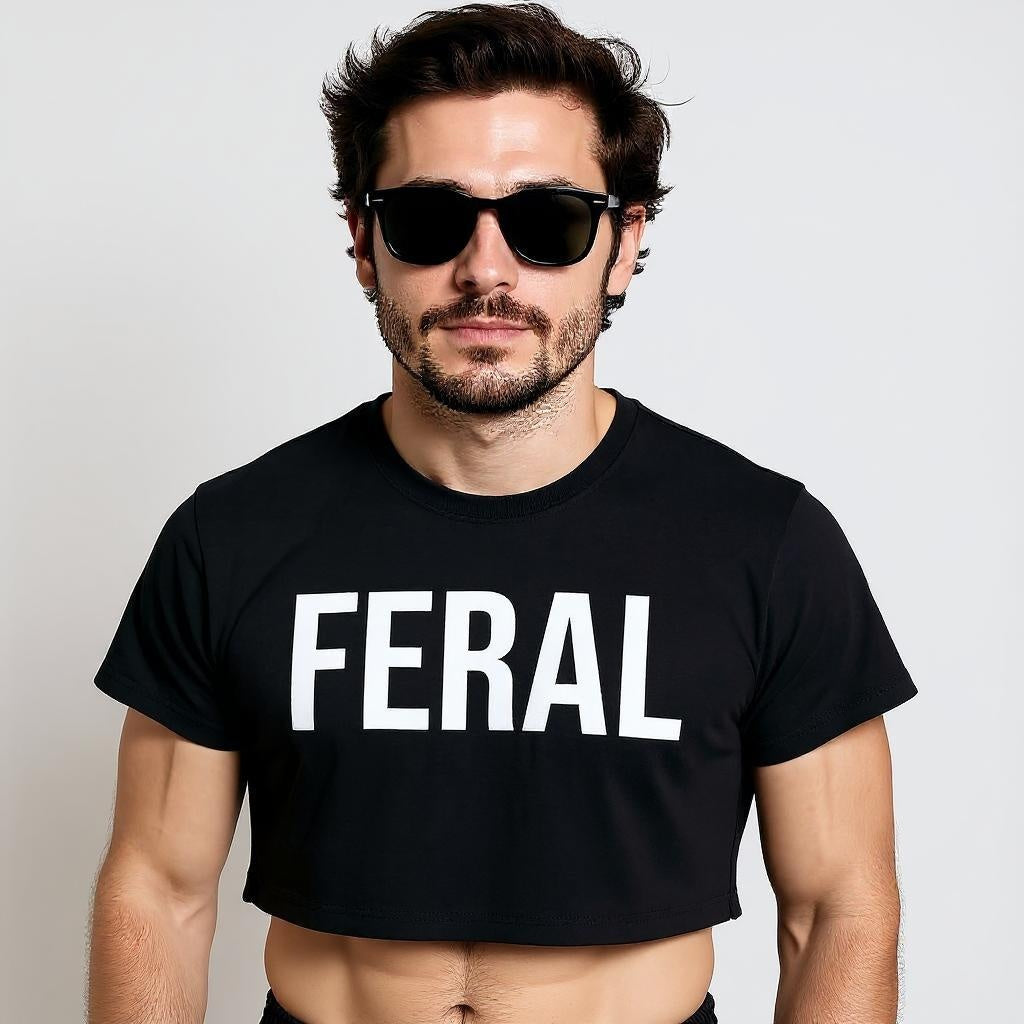
Speaking of statement pieces, the Always a Baddie Crop Top exemplifies festival-smart fashion. This lightweight, breathable design keeps you cool during those sweaty dance moments while delivering the confidence boost every queer celebration deserves. Pairing bold apparel with genuinely supportive footwear creates a head-to-toe strategy where nothing holds you back—not restrictive clothing, not inadequate shoes, just pure, unfiltered celebration. When you look this good and feel this comfortable, the after-parade glow starts during the parade itself.
2.2 Cushioning vs. support: why you need both, not just softness
Plush cushioning feels heavenly initially but often lacks structural integrity. After a few hours, overly soft midsoles compress unevenly, creating pressure points and allowing your foot to collapse inward (pronation) or outward (supination). This biomechanical misalignment radiates upward, stressing your knees, hips, and lower back.
Support means architectural elements that maintain your foot's neutral position throughout fatigue. Think of cushioning as the mattress and support as the bed frame—you need both for restorative rest, or in this case, sustainable movement.
2.3 The role of fit: width, toe box space, and secure heel grip
Fit trumps every other feature. A shoe with premium cushioning and support does nothing if it's the wrong dimensions for your foot. Width is particularly crucial—too narrow and you'll develop nerve compression and bunion aggravation; too wide and your foot slides, creating friction blisters.
The toe box should allow your toes to spread naturally, especially as swelling progresses. A cramped toe box forces your digits into unnatural positions, causing numbness and accelerating fatigue. Meanwhile, your heel should lock into the heel counter with minimal lift during walking. Excessive heel slippage wastes energy and creates hot spots.
2.4 Breathability and moisture control for long, hot festival days
Trapped moisture is the enemy of all-day comfort. As your feet sweat—and they will during festival exertion—moisture-wicking linings pull perspiration away from skin. Breathable uppers featuring mesh panels or perforated leather allow air circulation, regulating temperature and expediting evaporation.
Wet feet soften, becoming vulnerable to blistering. They also become breeding grounds for odor-causing bacteria and fungal infections. Festival shoes with antimicrobial treatments and quick-drying materials maintain foot health through extended wear.
2.5 Outsole grip and stability for parades, grass fields, and uneven streets
Surface variability demands versatile traction. Multi-directional lug patterns grip across pavement, grass, and gravel. Rubber compounds with balanced hardness provide durability without sacrificing grip—too hard and they're slippery when wet; too soft and they wear quickly.
Stability features like wider bases and medial posts prevent ankle rolling on uneven terrain. Festival environments rarely offer consistently flat surfaces, so shoes need built-in compensation for unexpected divots, curbs, and crowd-navigation pivots.
3. Matching Footwear to Festival Conditions and Activities
3.1 City parade vs. muddy field vs. desert festival: how surfaces change your needs
Urban Pride parades on asphalt reward shoes with ample pavement-pounding cushioning and heat-reflective outsoles. West Hollywood streets get scorching, and thin soles conduct that thermal punishment directly to your feet. Prioritize shock absorption for concrete's unforgiving hardness.
Muddy field festivals demand aggressive tread and water-resistant materials. Shoes should shed mud rather than accumulate it, maintaining traction as conditions deteriorate. Desert gatherings require sand-shedding designs and sun-protection—light colors that don't absorb heat and closed uppers that prevent grit infiltration.
3.2 Daytime walking vs. night dancing: choosing shoes that transition smoothly
The best all day festival shoes comfortable enough for marathon standing also need flexibility for dancing. Stiff, heavy hikers protect your feet during miles of walking but feel leaden when the DJ drops your anthem. Conversely, minimal dance sneakers lack the support for extended standing.
Seek the middle ground: moderate flexibility in the forefoot for natural dance movement, combined with structured support through the midfoot and heel. This hybrid approach prevents the "great for walking, terrible for dancing" compromise that derails so many festival experiences.
3.3 Weather factors: heat, rain, dust, and how they affect comfort
Heat accelerates swelling and moisture accumulation. Choose lighter colors and maximum ventilation for hot-weather festivals. Rain transforms everything—waterproof membranes keep feet dry but reduce breathability, so consider quick-drying synthetic materials that shed water without trapping perspiration.
Dust infiltrates every crevice. Gaiters or higher ankle collars on trail shoes prevent grit from working into your shoes and creating abrasive hotspots. Some festivals warrant shoes you're willing to sacrifice, knowing no amount of cleaning will restore them post-event.
3.4 Accessibility and special needs: footwear considerations for sensitive feet or existing foot issues
Diabetic neuropathy, plantar fasciitis, Morton's neuroma, and other conditions require specialized attention. Seamless interiors prevent irritation when sensation is diminished. Extra-depth toe boxes accommodate orthotics or swelling without constriction. Rocker-bottom soles reduce pressure on painful forefoot areas.
Don't sacrifice participation because standard festival shoe advice doesn't address your needs. Therapeutic footwear brands now offer styles that blend medical-grade support with contemporary aesthetics, proving accessibility and style aren't mutually exclusive.
4. Best Types of Festival Shoes for All-Day Comfort
4.1 Supportive sneakers and trainers: when they're the best all-round choice
Running and walking sneakers from performance brands deliver proven biomechanics. Modern trainers incorporate responsive foam, stability features, and breathable engineered mesh. They excel on paved parade routes and handle light grass or gravel adequately.
The versatility makes sneakers ideal for multi-environment festivals. They photograph well, pair easily with diverse outfits, and offer replacement insole compatibility for customized support. For urban Pride celebrations, quality trainers are often the optimal choice.
4.2 Sport sandals and hiking sandals: open but still "all day festival shoes comfortable"
Premium sport sandals feature contoured footbeds, adjustable straps, and substantial outsoles. They provide cooling airflow while maintaining arch support and stability. Brands specializing in outdoor sandals engineer them for serious mileage, not just poolside lounging.
The caveat: exposed feet face sunburn, dust exposure, and increased blister risk from straps. They work best for hot, dry festivals on relatively clean surfaces. Pack backup closed-toe options if conditions might shift.
4.3 Lightweight hiking or trail shoes: extra stability for long parade routes
Trail shoes bring hiking-grade support in running-shoe weights. Their aggressive outsoles grip varied terrain, protective toe caps shield against crowd-induced toe stomping, and durable construction withstands festival abuse. The lower cut compared to hiking boots offers better breathability and less weight.
They're particularly effective for festivals involving significant walking between stages or venues, where athletic sneakers might lack durability and casual shoes would quickly fail.
4.4 Slip-ons and lifestyle shoes: when fashion-first can still work for comfort
Some lifestyle sneakers incorporate legitimate comfort technology beneath fashion-forward designs. Look for brands blending streetwear aesthetics with performance features—memory foam insoles, cushioned midsoles, and padded collars.
The limitation is that fashion-driven brands often compromise on arch support and stability. These work for shorter festivals or when you're willing to accept moderate foot fatigue as the price of a specific aesthetic.
4.5 Boots for festivals: what makes some boots all-day friendly and others a nightmare
Festival boots require specific engineering: lightweight construction, flexible ankles, breathable materials, and cushioned insoles. Chelsea boots and lightweight hiking boots can work beautifully. Avoid heavy leather, rigid construction, and poor ventilation—you'll overheat and fatigue rapidly.
Break in boots thoroughly before festival day. The ankle coverage that provides support when properly fitted becomes a blister factory when fit is imperfect or break-in is incomplete.
5. How to Choose Your Own All-Day Festival Shoes (Step-by-Step)
5.1 Assessing your foot type: flat feet, high arches, and neutral feet
Understanding your foot architecture guides shoe selection. Flat feet (overpronation) need motion-control features and firm medial support to prevent excessive inward rolling. High arches (supination) require extra cushioning and flexibility since your foot doesn't naturally absorb shock well. Neutral feet have the most options but still benefit from moderate support.
The wet foot test reveals your type: wet your foot, step on dark paper, and examine the imprint. A complete footprint suggests flat feet, a narrow connection between heel and forefoot indicates high arches, and a moderate curve shows neutral alignment.
5.2 Trying shoes on correctly: time of day, socks, and real walking tests
Shop for festival shoes in the afternoon when your feet have naturally swollen to approximate festival conditions. Bring the socks you'll actually wear—thickness dramatically affects fit. Athletic socks with cushioning differ substantially from thin no-show styles.
Don't just stand in shoes; walk vigorously for at least ten minutes. Quality retailers allow extended testing. Replicate festival movements: quick direction changes, standing still, even some dance steps if you're comfortable. Static fitting misses dynamic fit issues that emerge during movement.
5.3 Checking for crucial comfort signals in the first five minutes
Immediate discomfort rarely improves. If shoes pinch, rub, or feel unstable within minutes, they'll be torture after hours. Your heel should sit securely without grinding, toes should have wiggle room without sliding forward, and the arch support should feel present but not intrusive.
Pay attention to pressure points across the top of your foot from lacing or straps. These intensify exponentially during swelling. If you're already aware of them during fitting, imagine that sensation magnified by heat, moisture, and repetitive movement.
5.4 When to size up or down for festival conditions (swelling, thicker socks)
Most festival-goers benefit from sizing up a half-size, particularly for all-day events in hot weather. Feet can swell up to a full size during extended activity. The extra space accommodates this expansion and allows for thicker, blister-preventing socks.
However, don't size up so much that your foot slides around. Excess space creates friction just as dangerous as constriction. The shoe should feel roomy but secure, with your toes grazing—not jamming against—the toe box when standing.
5.5 Red flags that a shoe won't stay comfortable all day
Certain warning signs predict failure. Minimal arch support in shoes for flat feet guarantees fatigue. Non-breathable materials in summer festivals ensure swampy, blister-prone conditions. Stiff, unforgiving materials that haven't been broken in will create friction injuries.
Trust your instincts. If a shoe feels "almost right" or "good enough" in the store, it won't magically improve under festival stress. Hold out for shoes that feel genuinely comfortable immediately, then break them in properly before the event.
6. After-Parade Comfort: Extending Comfort Beyond the Main Event
6.1 Planning for the "after": walking to transport, after-parties, and late-night streets
The parade ends, but your feet's workday continues. You're trekking to cars, navigating public transit, or hitting after-parties that extend the celebration into early morning. Many festival injuries happen during this phase when fatigue has compromised your gait and attention.
If your festival shoes have carried you successfully through the main event, resist the urge to immediately switch to unsupportive flip-flops or fashionable-but-flimsy footwear. Your feet need continued support during the cooldown period, not sudden abandonment.
6.2 Transitioning from parade footwear to chill-out footwear safely
If you do switch shoes for after-parties or the journey home, choose recovery-oriented footwear: slides with contoured footbeds, supportive sandals, or cushioned slip-ons. Avoid completely flat, unsupportive options that force fatigued muscles to work overtime.
The transition itself matters. Sit down, remove your festival shoes, and give your feet a brief rest before changing. Wiggle your toes, rotate your ankles, and allow circulation to normalize. Rushing from one shoe to another without this pause can cause cramping.
6.3 Simple on-the-spot relief: stretching, elevation, and foot massage techniques
When you finally sit down—at a restaurant, back at your hotel, or on the ride home—elevate your feet above heart level to reduce swelling. Even ten minutes makes a noticeable difference. Roll a water bottle under your arch for makeshift plantar fascia massage, or use your thumbs to apply pressure to sore spots.
Gentle stretching helps too. Point and flex your feet, rotate your ankles, and stretch your calves by pulling your toes toward your shin. These simple interventions accelerate recovery and reduce next-day soreness.
6.4 When pain means you should stop: listening to your body to prevent injury
Sharp, localized pain differs from general fatigue. Stabbing sensations, sudden inability to bear weight, or pain that intensifies rather than plateaus signal potential injury. Pushing through can transform a minor issue into something requiring medical intervention.
It's okay to call it early or modify your activities. Sitting out one performance to rest your feet beats limping for weeks afterward. The queer community celebrates resilience, but true strength includes knowing your limits and respecting them.
7. Smart Add-Ons and Foot-Care Habits That Boost All-Day Comfort
7.1 Insoles and orthotics: who needs them and how to choose festival-ready options
Aftermarket insoles upgrade mediocre shoes and enhance good ones. If you have specific biomechanical needs—significant overpronation, high arches, or diagnosed conditions—custom orthotics from a podiatrist offer precision support. Over-the-counter orthotic insoles from specialty brands provide substantial improvement at lower cost.
For festivals, choose insoles with antimicrobial properties and moisture-wicking top layers. Replace stock insoles rather than stacking new ones on top, which alters fit and can create new pressure points.
7.2 Sock strategy: blister-preventing fabrics and layering tips
Cotton socks absorb moisture and stay wet—a blister incubator. Merino wool or synthetic moisture-wicking fabrics pull sweat away from skin and dry quickly. Some festival veterans swear by liner sock systems: a thin, slick inner sock beneath a cushioned outer sock, allowing friction to occur between sock layers rather than against your skin.
Seamless or flat-seam construction prevents rubbing. Targeted cushioning in heel and forefoot zones adds protection without bulk. Compression socks can reduce swelling for some people, though others find them restrictive during all-day wear.
7.3 Taping, blister patches, and anti-chafe sticks: prevention vs. treatment
Apply prevention measures before pain starts. Anti-chafe balms on known friction zones create slippery barriers. Medical tape or specialized blister prevention tape on vulnerable areas (heels, outer toes, anywhere previous blisters have formed) reduces friction before hot spots develop.
Pack a small kit with blister bandages, extra tape, and pain relief gel. If you catch a hot spot early—when skin is pink but not yet blistered—immediate intervention can prevent it from worsening. Once a blister forms, specialized hydrocolloid bandages cushion and promote healing while allowing you to continue (though rest is ideal).
7.4 Pre-festival "break-in" routine so your shoes are comfortable on day one
Never debut shoes at a festival. Wear them for progressively longer periods over several weeks: short errands, then work days, then extended walking outings. This molds the shoes to your feet and reveals any fit issues while you still have time to address them or choose different shoes.
Simulate festival conditions during break-in. Wear them during extended standing, in heat, with the socks you'll use at the event. Walk on varied surfaces. If possible, do a practice run—a long day exploring your city—to verify they truly deliver all-day comfort.
8. Style vs. Comfort: Can "All Day Festival Shoes Comfortable" Still Look Good?
8.1 How to match supportive shoes with your festival outfits
Supportive footwear has evolved beyond frumpy orthopedic stereotypes. Performance brands collaborate with designers, creating shoes that blend biomechanical integrity with contemporary aesthetics. Sleek trainers in bold colors complement vibrant festival fashion. Minimalist trail shoes pair surprisingly well with edgy, utilitarian looks.
Consider your outfit's overall vibe. Athleisure-inspired festival wear naturally accommodates performance sneakers. Retro looks work with classic court shoes that happen to have modern comfort technology. Even hiking sandals can anchor a rugged, outdoorsy aesthetic when styled intentionally.
8.2 Swapping dangerously trendy shoes for safer lookalikes
For every unsupportive fashion shoe, a comfort-forward alternative exists with similar aesthetics. Platform sneakers with actual arch support replace decorative platforms built on foam. Supportive Chelsea boots substitute for fashion boots with paper-thin insoles. Sport sandals in leather finishes mimic dressier sandals while maintaining functional footbeds.
Study the silhouette and color palette of your ideal shoe, then search for performance brands offering that aesthetic. The visual impact photographs identically, but your feet experience a dramatically different day.
8.3 When to pack a backup pair: balancing photos, performance, and comfort
Some festival-goers bring statement shoes for photos and performances, then switch to supportive footwear for the bulk of the day. This works if you have secure storage and don't mind the hassle. Arriving in comfortable shoes, changing for key moments, then reverting allows you to honor both style aspirations and physical realities.
Alternatively, invest in genuinely comfortable shoes that also happen to be photogenic. Building a wardrobe around versatile, supportive footwear eliminates the need for constant swapping and ensures you're never caught in painful shoes when an unexpected magical moment unfolds.
9. FAQs About All-Day Comfortable Festival Footwear
9.1 Are flip-flops ever a good idea for an all-day festival?
Basic flip-flops offer virtually no support, minimal protection, and invite toe injuries in crowded environments. However, premium recovery sandals designed for post-athletic use—with contoured footbeds and cushioned midsoles—can work for low-key festivals on predictable terrain. For Pride parades and major all-day events, skip flip-flops entirely in favor of supportive sport sandals or closed-toe options.
9.2 How many hours should truly comfortable festival shoes last without pain?
Properly fitted, well-designed all day festival shoes comfortable enough for their intended purpose should carry you through 8-12 hours with only normal fatigue, not acute pain. Some discomfort after extreme durations is natural, but you shouldn't develop blisters, sharp pains, or significant swelling before the eight-hour mark. If you do, your shoes aren't truly festival-grade.
9.3 Is it better to wear brand-new shoes or old favorites to a parade or festival?
Old favorites that have proven themselves during previous all-day adventures are safer bets than untested shoes. However, worn-out shoes with compressed cushioning and degraded support cause their own problems. The ideal festival shoe is properly broken-in but not worn-out—perhaps 20-40 hours of use, enough to mold to your feet without losing structural integrity.
9.4 What can I do if I realize mid-festival that my shoes are hurting?
Address problems immediately. Apply blister prevention products to hot spots, adjust lacing to relieve pressure points, or swap insoles if you brought backups. Find opportunities to sit and elevate your feet, even briefly. If pain is severe, consider calling it early—protecting your long-term foot health outweighs completing one event. For future festivals, pack emergency backup shoes.
9.5 How do I care for my shoes after a muddy or dusty festival so they stay supportive?
Remove insoles and laces, then clean shoes according to material type. Mesh sneakers often tolerate gentle machine washing in cold water; leather requires specialized cleaners. Air-dry completely—never use direct heat, which degrades adhesives and materials. Sunlight and fresh air eliminate odors naturally. Replace insoles if they've become compressed or malodorous. Proper post-festival care extends the lifespan of quality shoes significantly.
10. Key Takeaways: Building Your All-Day Festival Footwear Strategy
10.1 Quick checklist for choosing "all day festival shoes comfortable" for your next event
Evaluate these critical factors: Does the shoe provide both cushioning AND structural support? Is there adequate toe box space for swelling? Do materials breathe and manage moisture? Is the outsole appropriate for expected terrain? Have you broken them in thoroughly? Do they address your specific foot type's needs?
Run through this mental checklist when shopping, and you'll avoid impulse purchases that look cute but fail functionally. Prioritize evidence-based comfort features over marketing hype or fleeting trends.
10.2 Simple foot-care habits that make any pair last longer and feel better
| Habit | Benefit | Frequency |
|---|---|---|
| Rotate between multiple pairs | Allows cushioning to fully recover between wears | Don't wear same shoes consecutive days |
| Air out shoes after each use | Prevents moisture buildup and odor | After every wear |
| Replace insoles when compressed | Maintains support and cushioning performance | Every 6-12 months of regular use |
| Monitor outsole wear patterns | Identifies gait issues and replacement timing | Monthly visual inspection |
These simple practices extend shoe lifespan while maintaining the comfort that made you choose them initially. Quality festival shoes represent an investment—protect it with minimal maintenance.
10.3 Encouragement to test, adjust, and build a reliable festival footwear rotation
Your perfect all day festival shoes comfortable enough for every celebration might not emerge from your first purchase. Finding them requires experimentation, honest assessment of what works for your unique feet, and willingness to prioritize function alongside fashion.
Build a small rotation of proven performers: supportive sneakers for urban parades, trail shoes for outdoor festivals, and perhaps premium sandals for hot-weather events. When you've assembled footwear you trust completely, festivals transform from endurance tests into pure celebration.
The Bayou WeHo community knows that showing up authentically means honoring your whole self—including your feet. Whether you're dancing through West Hollywood's Pride festivities or traveling to queer gatherings nationwide, the right shoes literally support every step of your journey. Invest in comfort, listen to your body, and never let inadequate footwear steal your joy. You deserve to celebrate fully, from the first parade float to the final after-party, with feet as happy as your heart.


